MARA Leather Explained: A Rider’s Guide to Leather Types, Grades & Thickness
, by Syed Khawar Bukhari , 5 min reading time
, by Syed Khawar Bukhari , 5 min reading time
Not all leather is the same. Two jackets can look alike in photos and feel completely different after a few hundred miles. This guide covers what you need to know before you buy: how leather is graded, which hide suits which job, and why thickness matters.
Quality comes down to which layer of the hide is used and how much it has been treated.
Full-grain leather uses the outermost layer of the hide with its natural surface left intact. Because it hasn’t been sanded to hide flaws, it keeps its natural markings, resists abrasion, and develops a rich patina over time. It is the strongest, longest-lasting option and usually costs the most.
Top-grain leather has had the very top layer lightly sanded or corrected for a more uniform look. It is still durable and often a little softer from day one.
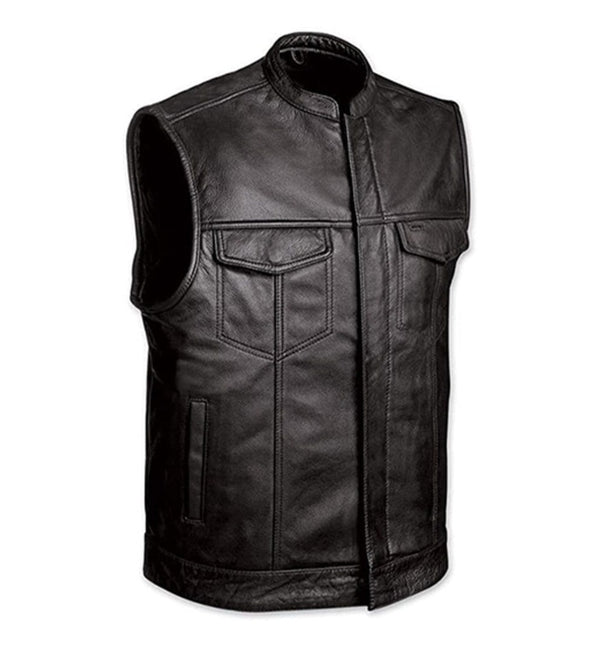
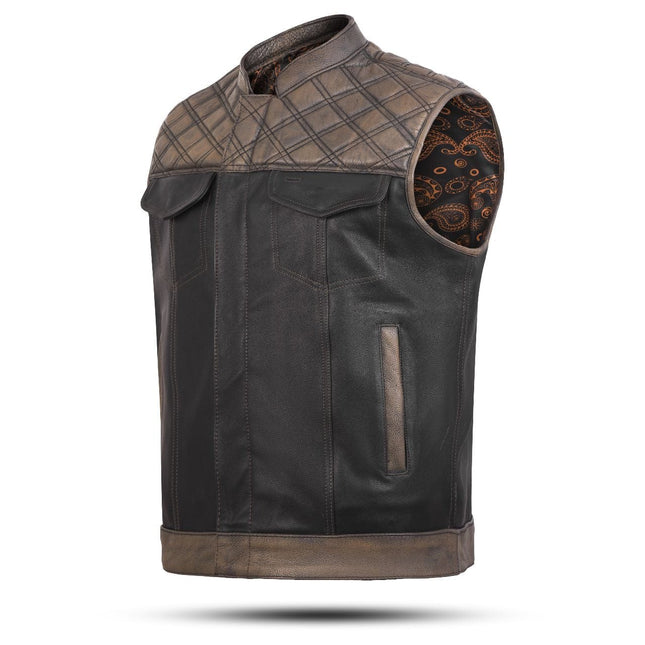
Soft and plain milled cowhide falls here. Milling means the hide is tumbled in a drum, like a dryer without the heat, which softens it and brings out its natural grain. It is the common choice for good-value biker vests and jackets.
Split leather comes from the fibrous layer left after the top grain is separated. It is stiffer and less abrasion-resistant. It works for casual wear but isn’t ideal for serious road miles.
Rider tip: Descriptions like “genuine leather” tell you it’s real leather, but not which grade. Check the product page for terms like full-grain, top-grain, or milled cowhide.
Different animals give different leather, and each suits a different job.
Cowhide is the classic riding material. It’s thick, tough, and abrasion-resistant, so it’s the standard for motorcycle jackets, vests, and chaps. Browse our leather motorcycle jackets and leather vests.
Lambskin is soft, light, and supple, with a smooth, refined look. It’s better for fashion and everyday wear than for hard riding. Try the Men’s Brown Lambskin Bomber Jacket with Removable Hood.
Sheepskin and shearling have a dense wool lining that traps heat naturally, so you stay warm on cold rides and winter streets. See our shearling jackets for men and for women.
Suede is leather with a brushed, velvety finish. It looks great but is more sensitive to water and stains than smooth leather, so a care kit helps. Explore suede leather jackets.
Hair-on cowhide keeps the animal’s natural hair for a bold, rugged look. See our cow skin jackets.
Thickness decides how a garment protects, breathes, and wears. Leather is traditionally measured in ounces, where 1 oz equals 1/64 of an inch, or about 0.4 mm. Larger numbers mean thicker leather.
Thicker isn’t always better. A heavyweight cowhide jacket suits a highway rider, while a midweight vest or lightweight shirt may suit a weekend cruiser.
| If you... | Look for... |
|---|---|
| Ride long distances, year-round | Heavier cowhide, armor-ready jackets |
| Cruise on weekends | Midweight cowhide vests and jackets |
| Ride in cold weather | Shearling or sheepskin |
| Want one piece for the bike and the street | Café racer, bomber, or varsity styles |
| Ride in summer heat | Lightweight leather or summer jackets |
If you want extra protection, many styles are armor-ready. Add body armor or try armored flannels.
Good leather gets better with age if you care for it:
Since 2016, MARA Leather has outfitted riders with jackets, vests, boots, and chaps. We buy directly from trusted manufacturers, which keeps our overhead low and our prices honest, so you get real riding gear at a fair price.
Ready to find your fit? Shop Men’s or Women’s gear, with free US shipping on orders over $100.




$129.95 - $159.95
$139.95 - $169.95


$139.95 - $169.95