The Difference Between Biker Armor and a Leather Motorcycle Vest
, by Syed Khawar Bukhari , 11 min reading time
, by Syed Khawar Bukhari , 11 min reading time
Motorcycle gear is designed to improve both safety and comfort while riding. Among the many pieces of riding apparel available, two items are often confused with each other: biker armor and leather motorcycle vests. While both are commonly worn by riders and appear in biker culture, they serve very different purposes. One is built primarily for protection against impact and injury, while the other focuses more on style, identity, and light utility.
Understanding the difference between biker armor and a leather motorcycle vest is important for riders who want to choose the right gear for their riding style, safety needs, and personal preferences. Although both can be part of a rider’s wardrobe, they are not interchangeable pieces of equipment.
This guide explains how biker armor works, what a leather motorcycle vest is designed for, and how their functions, materials, and purposes differ.
Biker armor is protective equipment designed to absorb and distribute impact during crashes or falls, reducing the risk of serious injury. It is usually made from specialized materials such as reinforced foam, hard plastic shells, or composite protectors and is worn inside or integrated into motorcycle jackets, pants, or armored shirts.
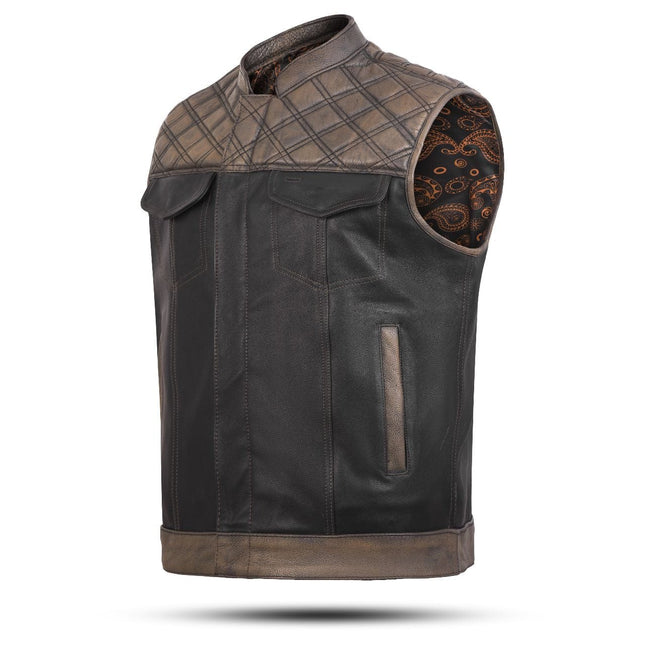
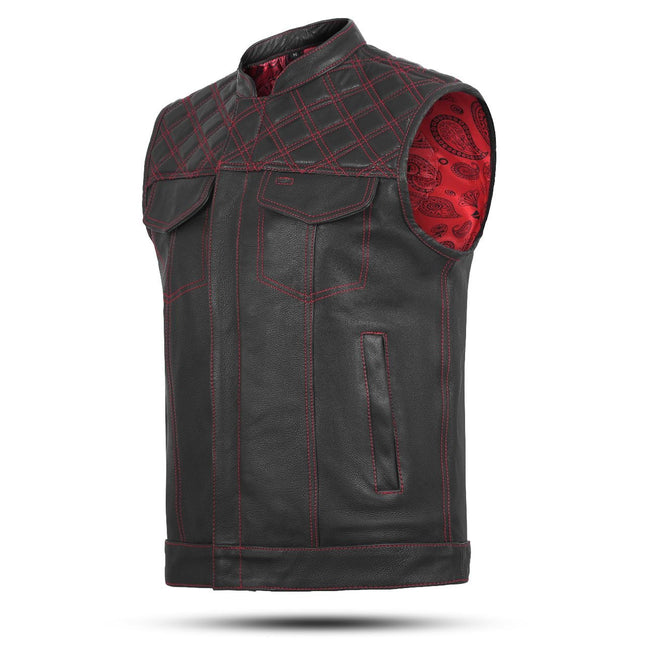
A leather motorcycle vest, on the other hand, is primarily a sleeveless outer garment made from leather that riders wear for style, club identification, storage, and light wind protection. While some modern versions may include armor pockets, traditional leather motorcycle vests do not provide significant impact protection.
In simple terms, biker armor is safety equipment, while a leather motorcycle vest is mainly a lifestyle or fashion item within motorcycle culture.
Biker armor refers to protective inserts or panels designed to shield a rider’s body during accidents. Motorcycling exposes riders to significant risks because there is no external structure around them like in a car. As a result, protective gear plays a crucial role in minimizing injuries.
Motorcycle armor is engineered to absorb impact energy and spread it across a larger area, reducing the force applied to the body. Most armor pieces are placed in key impact zones such as the shoulders, elbows, spine, chest, hips, and knees. These areas are statistically the most vulnerable during crashes.
Modern motorcycle armor typically uses advanced materials such as high-density foam, viscoelastic polymers, and molded thermoplastics. These materials remain flexible during normal riding but become firm under sudden impact, helping protect bones and joints.
Some well-known safety standards categorize armor by levels of protection. Level 1 armor provides basic protection suitable for general riding, while Level 2 armor offers higher impact absorption and is often used in performance or touring gear.
Biker armor is rarely worn by itself. Instead, it is integrated into protective riding jackets, armored shirts, or riding suits. These garments include pockets or compartments where the armor pieces fit securely so they remain positioned correctly during a crash.
The main goal of biker armor is injury prevention. It is a functional component of motorcycle safety gear, similar to helmets and riding boots.
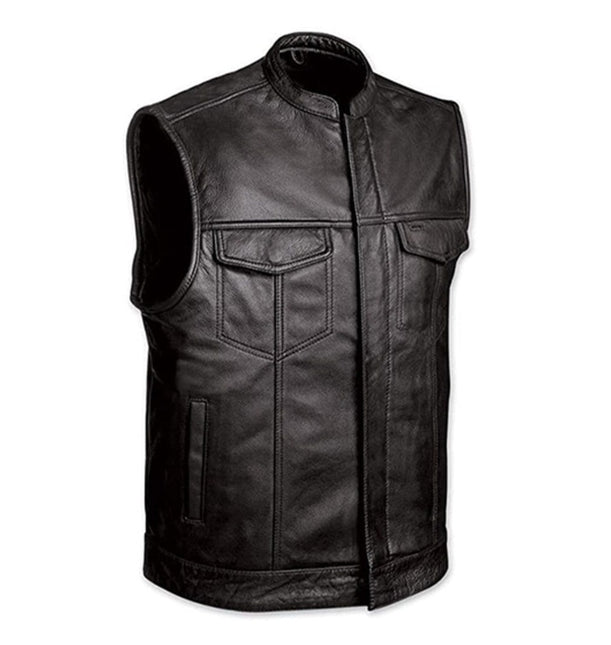
A leather motorcycle vest is a sleeveless leather garment traditionally worn by motorcycle riders, especially those associated with cruiser culture and motorcycle clubs. Unlike armored jackets or riding suits, the vest is primarily designed for comfort, identity, and style rather than protection.
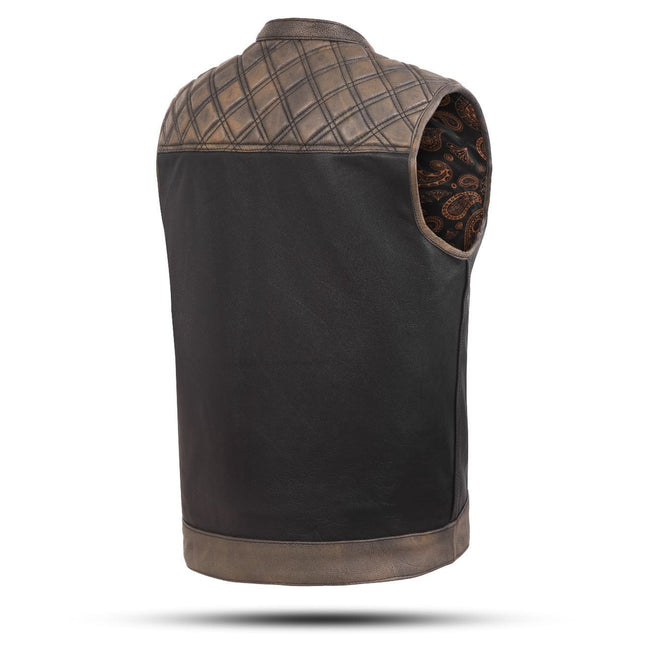
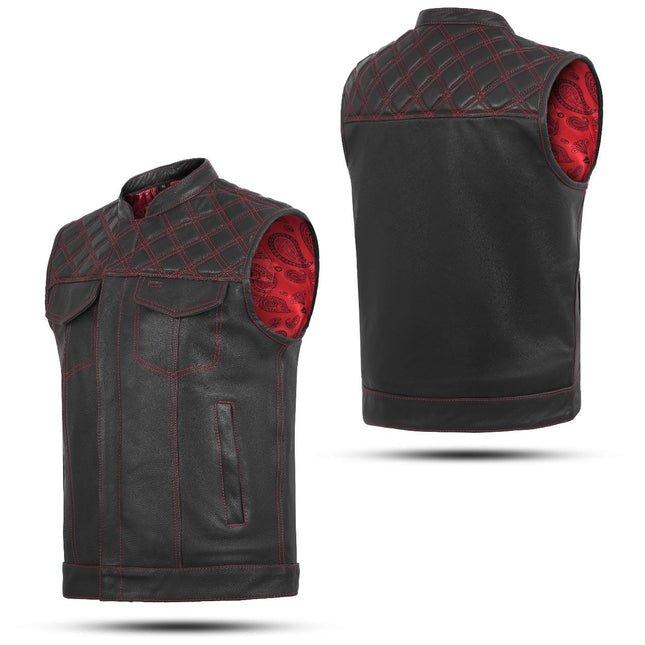
Motorcycle vests are typically made from cowhide, buffalo leather, or other durable leather materials. They often include snap or zipper closures, inner pockets for carrying small items, and large back panels that allow riders to display club patches or personal artwork.
Within biker culture, the vest carries symbolic meaning. Riders frequently sew patches onto the vest representing their motorcycle club, achievements, or affiliations. Because of this, vests are sometimes referred to as “cuts,” especially in club communities where the garment is customized with club insignia.
Another reason riders wear leather vests is practicality. A vest adds an extra layer that blocks wind while still allowing freedom of movement in the arms. This can be especially useful during warm weather rides when a full jacket might feel too hot.
Although leather provides some abrasion resistance if a rider slides on pavement, a standard vest does not include reinforced impact protection. Its primary role is cultural and stylistic rather than protective.
The biggest difference between biker armor and leather motorcycle vests lies in their intended purpose.
Biker armor is designed with safety as the primary objective. Engineers and gear manufacturers test armor using controlled impact tests to ensure it reduces force transmitted to the body. Every element of the armor—from material composition to thickness and flexibility—is optimized for injury prevention.
Leather motorcycle vests, however, are rooted in motorcycle culture and personal expression. Riders wear them to represent clubs, showcase patches, or maintain a classic biker aesthetic. The vest’s design emphasizes appearance, comfort, and tradition rather than crash protection.
While both items may appear in a rider’s outfit, they fulfill entirely different roles. Armor protects the body, whereas the vest communicates identity and style.
Another major distinction between biker armor and leather motorcycle vests is the materials used in their construction.
Biker armor is built using specialized synthetic materials engineered for impact resistance. These materials may include viscoelastic foam, polyurethane protectors, and thermoplastic shells. Many advanced protectors also use multi-layer structures that absorb shock while maintaining flexibility.
The design often incorporates ventilation channels, articulation points, and ergonomic shaping so that the armor conforms to the body while riding. The focus is on energy absorption and mobility.
Leather motorcycle vests, by contrast, are made primarily from natural leather. Cowhide is the most common material due to its durability and resistance to wear. Some manufacturers also use buffalo leather or softer lambskin depending on the style.
Unlike armor, the leather vest’s construction focuses on durability, aesthetics, and comfort. Features such as decorative stitching, snap closures, and interior lining are intended to enhance the vest’s appearance and usability rather than improve safety performance.
When comparing biker armor and leather motorcycle vests, the level of protection they provide is significantly different.
Biker armor is designed specifically to protect riders from impact injuries. During a crash, armor helps reduce the risk of fractures, joint injuries, and spinal damage. Protective inserts absorb shock and distribute force across a larger area, which can dramatically lower injury severity.
Many armored garments also include abrasion-resistant outer materials such as reinforced textile or leather, combining both slide protection and impact absorption.
Leather motorcycle vests provide minimal protection in comparison. While leather itself offers some resistance against abrasion, a vest does not cover critical areas like the arms, shoulders, elbows, or spine. Additionally, it lacks padding or structural reinforcement for absorbing impact.
For this reason, riders who prioritize safety typically wear armored jackets or protective shirts underneath or instead of a vest.
Motorcyclists use biker armor and leather motorcycle vests in very different ways depending on their riding style and priorities.
Sport and touring riders often prioritize protective gear, so they rely heavily on armor integrated into jackets, pants, and suits. These riders may spend long hours at higher speeds, where crash protection becomes essential.
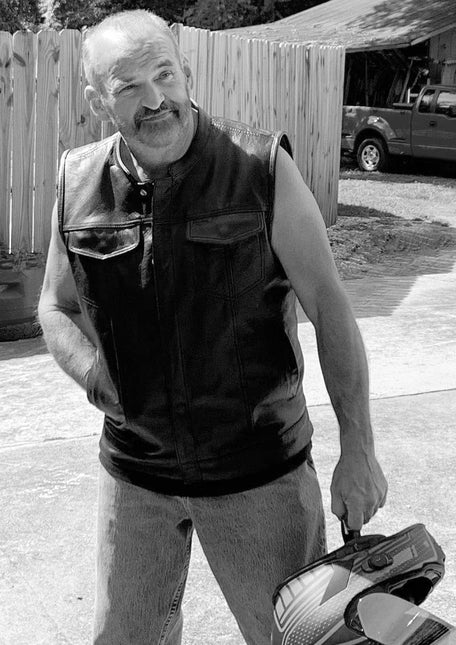
Cruiser riders and members of motorcycle clubs often incorporate leather vests into their outfits. The vest allows them to display patches while maintaining a classic biker appearance. It is common to see riders wearing a vest over a hoodie, denim jacket, or riding shirt.
In some cases, modern riders combine both pieces of gear. For example, they might wear an armored riding shirt or jacket underneath and then put a leather vest on top. This allows them to maintain the visual style of a traditional biker vest while still benefiting from protective armor.
The leather motorcycle vest has deep roots in biker culture, especially in North America. Historically, motorcycle clubs adopted the vest as a way to display club colors and insignia.
Over time, the vest became a symbol of identity within the riding community. Patches sewn onto the back often represent the rider’s club, region, or rank within the organization. For this reason, the vest is often treated with a high level of respect among club members.
The term “cut” is frequently used in biker culture to describe a leather vest that has been customized with patches. The name originated from the early practice of cutting the sleeves off denim or leather jackets to create sleeveless garments.
This cultural significance is something biker armor does not share. Armor is purely functional equipment and does not carry symbolic meaning within the community.
In recent years, motorcycle gear manufacturers have started creating hybrid designs that combine elements of both biker armor and traditional vests.
Some modern leather vests include concealed pockets for armor inserts, allowing riders to add back protectors or chest protectors. Others are designed to be worn over armored base layers or armored riding shirts.
These hybrid solutions aim to bridge the gap between safety and style. Riders can maintain the traditional look of a leather vest while still benefiting from modern protective technology.
However, even with these improvements, a vest with optional armor still provides less protection than a fully armored motorcycle jacket designed specifically for crash safety.
Choosing between biker armor and a leather motorcycle vest ultimately depends on the rider’s priorities.
Riders who focus on safety and protection should prioritize gear with certified motorcycle armor. Protective jackets, armored shirts, and riding suits offer the best defense against injuries in the event of a crash.
On the other hand, riders who value style, tradition, and club culture may prefer a leather motorcycle vest. It allows them to display patches, maintain a classic biker look, and enjoy a lightweight layer during warm weather rides.
Many experienced riders find a balance by combining the two. Wearing armored gear underneath a leather vest offers protection while preserving the cultural and aesthetic aspects of the vest.
Although biker armor and leather motorcycle vests are often associated with the same riding community, they serve completely different functions. Biker armor is a specialized safety component designed to protect riders from impact injuries during accidents. It uses advanced materials and engineering to absorb shock and reduce the risk of serious harm.
A leather motorcycle vest, in contrast, is primarily a cultural and stylistic garment within the motorcycle world. Riders wear it to display club patches, express their identity, and add a classic layer to their riding outfit.
Understanding this distinction helps riders choose the right gear for their needs. While biker armor focuses on protection and safety, the leather motorcycle vest represents tradition, individuality, and the enduring culture of motorcycling.


$139.95 - $169.95


$129.95 - $159.95