






Buy Motorcycle Helmets: Pick the Certification First, Then the Style
Motorcycles became an everyday way to get around in America after World War II, and the helmet has been the most important piece of riding gear ever since. A good one cuts down wind, noise, and road debris, and it protects your head when something goes wrong. A great one is also a helmet you actually like wearing, which is why style matters too.
At MARA Leather, the helmet collection runs from low-profile DOT skull caps to 3/4 open-face cruisers, a full-face helmet with a built-in intercom, and classic German-style shells. Prices currently run from roughly $38 to $200 on the first page, with sale discounts of up to 50% on select models.
Quick answer: Which type of motorcycle helmet gives the most protection? A full-face helmet covers the most area, including the chin and jaw. Half shells and 3/4 open-face helmets cover less but offer more airflow and a classic look. Whatever you choose, a DOT-certified helmet that fits correctly protects better than a stylish one that doesn’t.
The 60-Second Helmet Chooser
Start with how you ride and work backward.
| If you mostly... | Consider | Why |
|---|---|---|
| Commute at highway speeds | Full face or 3/4 with visor | More coverage, less wind and noise |
| Cruise on weekends | 3/4 open face or DOT half shell | Airflow and classic styling |
| Ride scooters or mopeds in town | Half shell or scooter helmet | Light, easy to take on and off |
| Tour long distances | Full face with intercom | Coverage, quieter ride, communication |
| Ride in groups | Full face with built-in intercom | Easier communication |
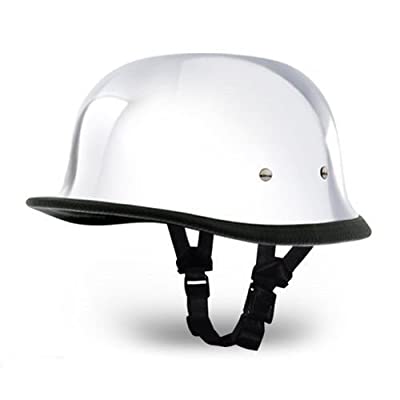
| Want a vintage look | DOT German-style helmet | Retro shape that still meets the standard |
If two options fit your ride, pick the one with more coverage.
Read the Label First: DOT, ECE, and Novelty Helmets
This is the most important part of buying a helmet online, so here it is plainly.
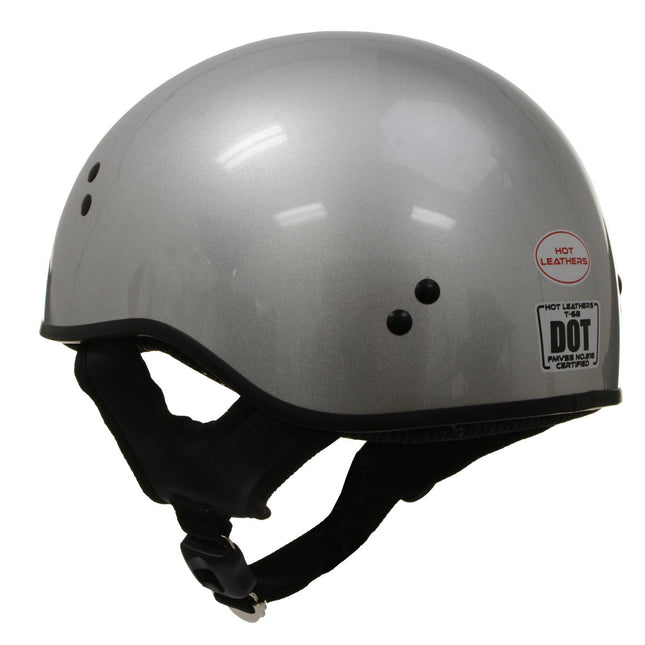
DOT-certified helmets. DOT means the manufacturer certifies that the helmet meets the U.S. Department of Transportation’s Federal Motor Vehicle Safety Standard 218, the minimum safety standard for motorcycle helmets sold in the United States. A certified helmet carries a DOT marking on the back. Browse our DOT motorcycle helmets for models that carry it.
DOT and ECE helmets. ECE is the safety standard used across Europe and many other countries. A helmet marked with both, such as the D.O.T. & ECE Daytona Glide in Silver Metallic, meets two recognized standards, which is useful if you travel or ride abroad.
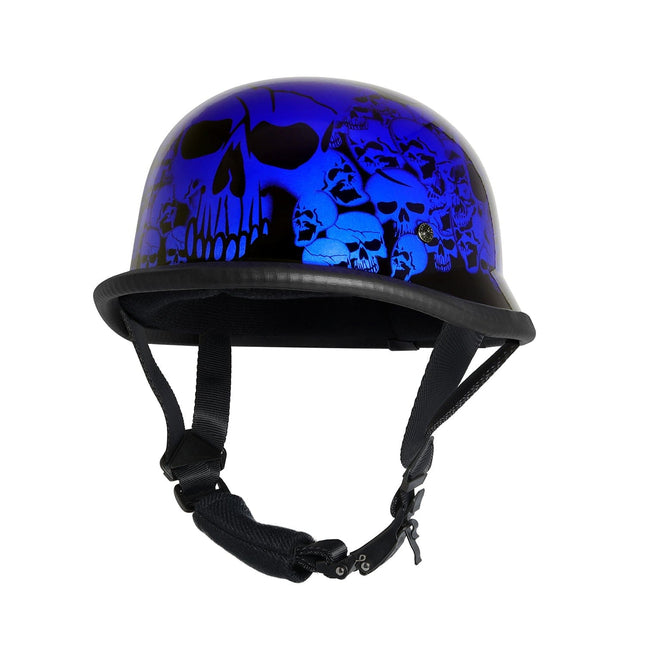
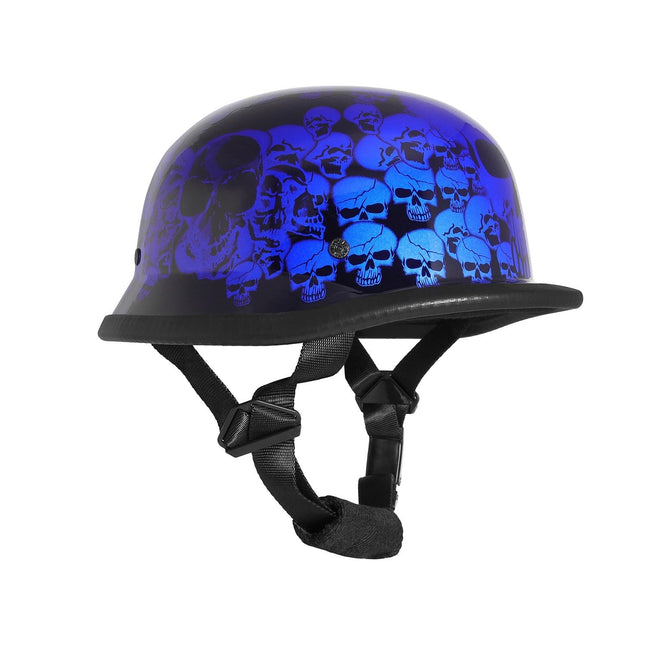
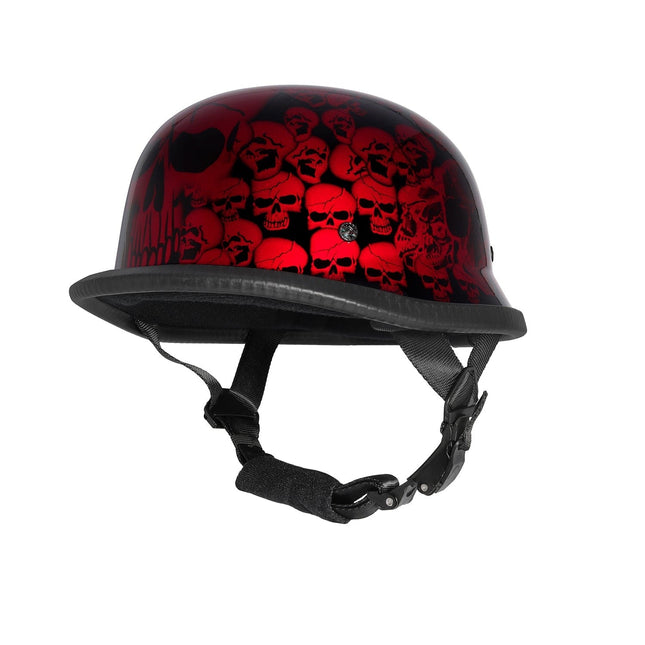
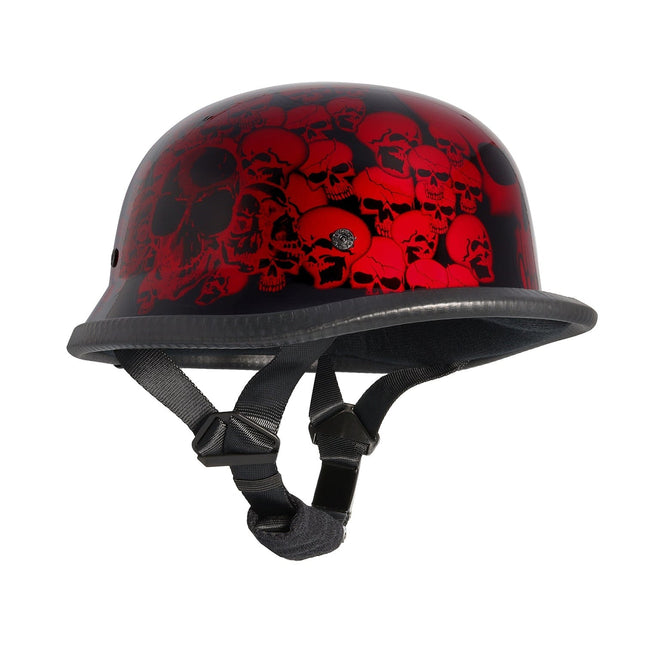
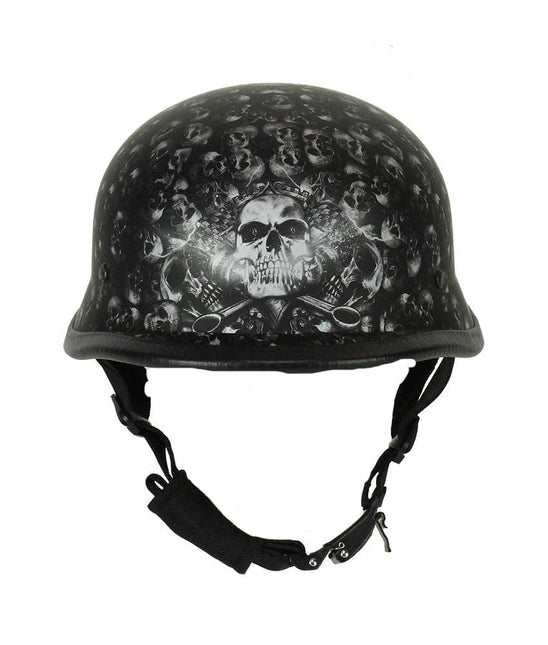
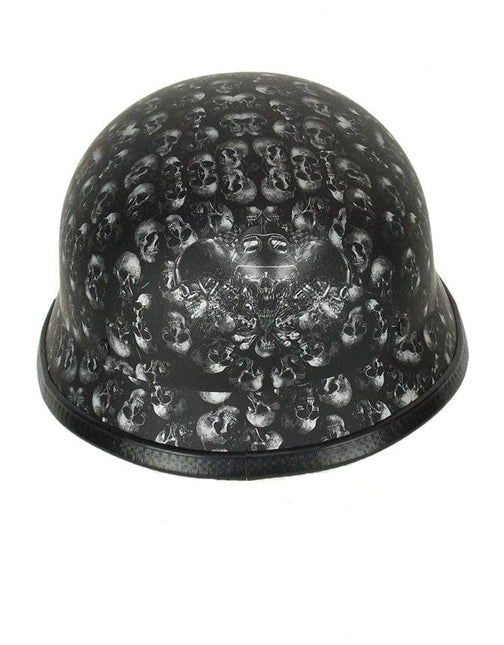
Novelty and costume helmets. Some helmets in this collection, including the Skull Graveyard Costume Novelty German Helmet and other items labeled “novelty” or “prop,” are sold for style, costumes, and collections. They are not intended as protective riding gear unless the product page states DOT certification. If you want the German look for riding, shop our DOT German helmets. If you want a display or costume piece, the novelty German helmets are the right place.
Check the product page for the certification before you add any helmet to your cart.
Helmet Styles Compared
| Style | Coverage | Airflow | Visor/Shield | Best for |
|---|---|---|---|---|
| Full face | Head, face, chin | Moderate | Yes | Highway, touring, commuting |
| Modular | Head, face, chin (chin bar lifts) | Moderate | Yes | Riders who want flexibility |
| 3/4 open face | Head, ears, sides | High | Often | Cruisers, city riding |
| Half shell / skull cap | Top of head | Highest | Sometimes | Short rides, classic look |
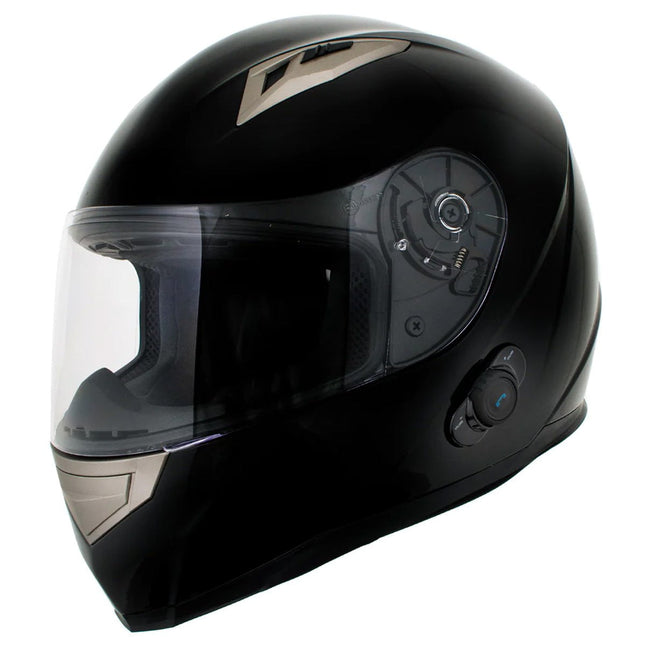
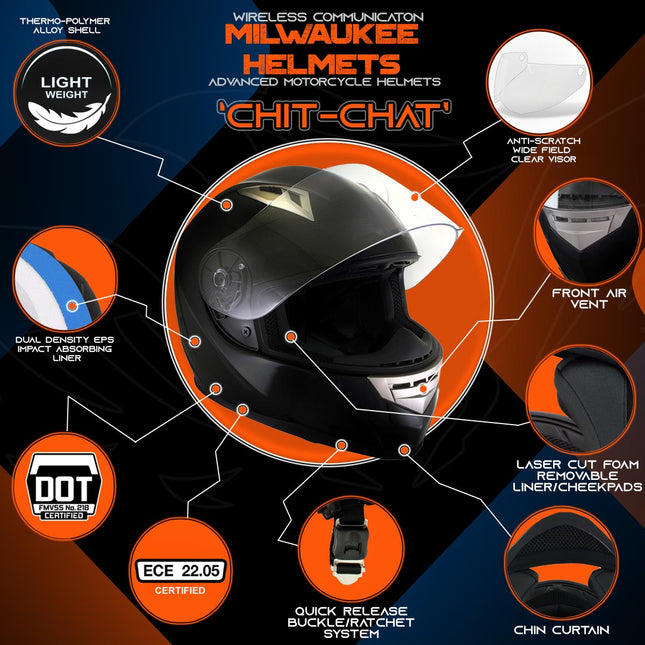
Full-face helmets offer the most protection and the most noise reduction. Our full face helmets include the Gloss Black Full Face Helmet with built-in intercom, speaker, and microphone.
Modular helmets have a chin bar that flips up, so you can talk, drink, or get air at a stop. Browse the modular helmets.
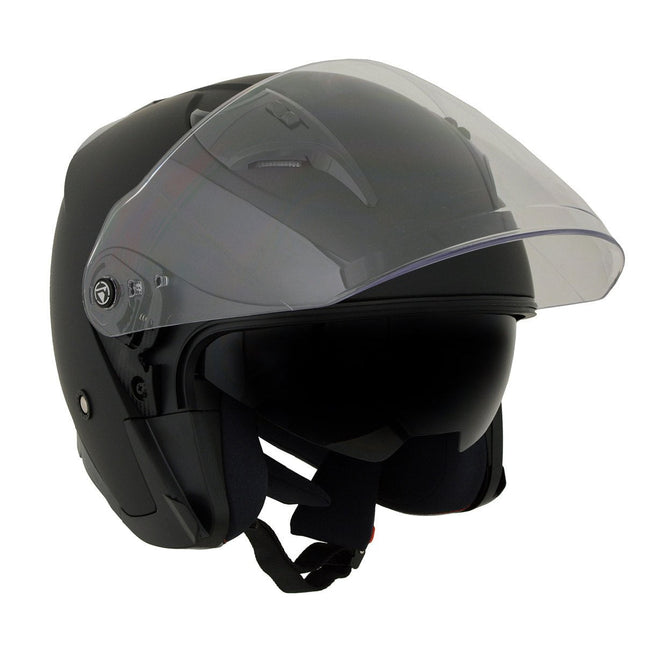
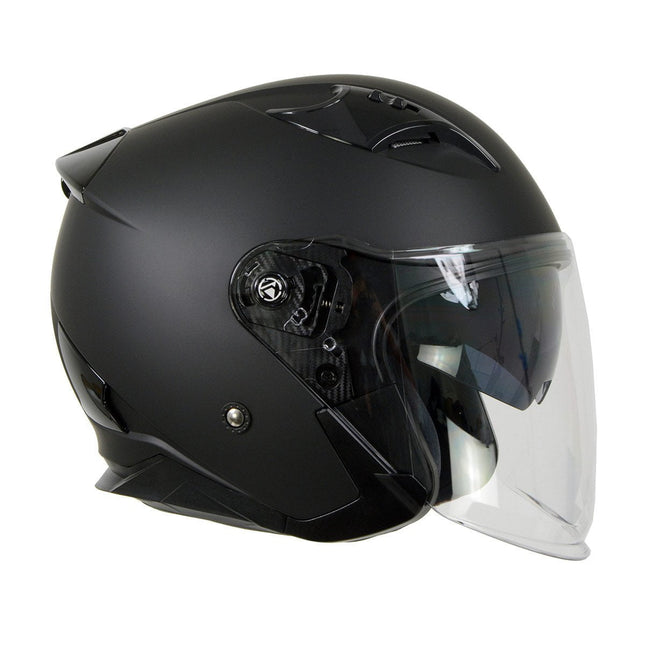
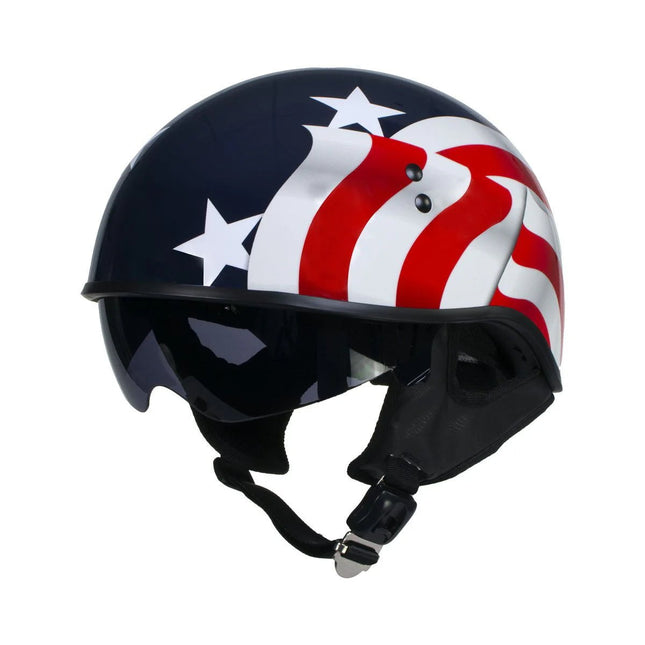
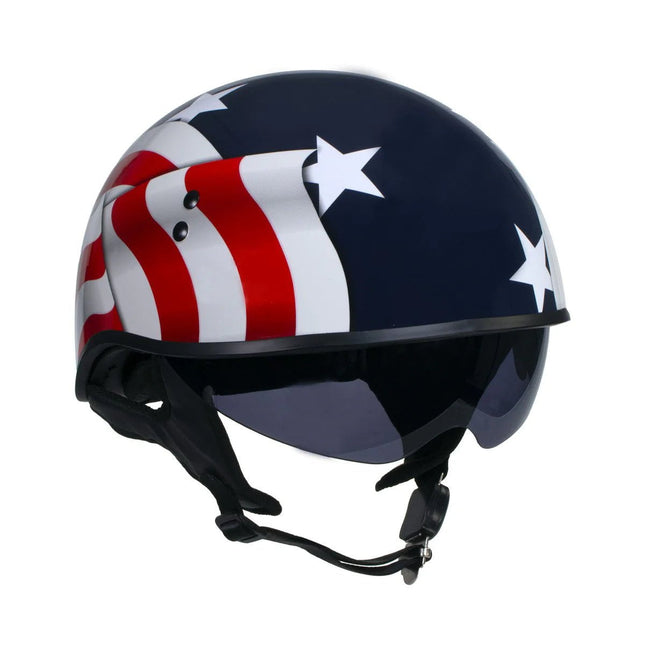
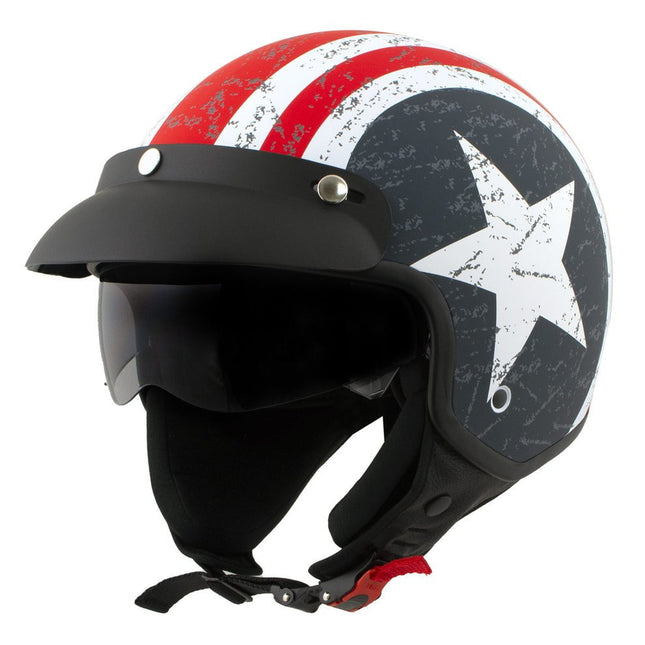
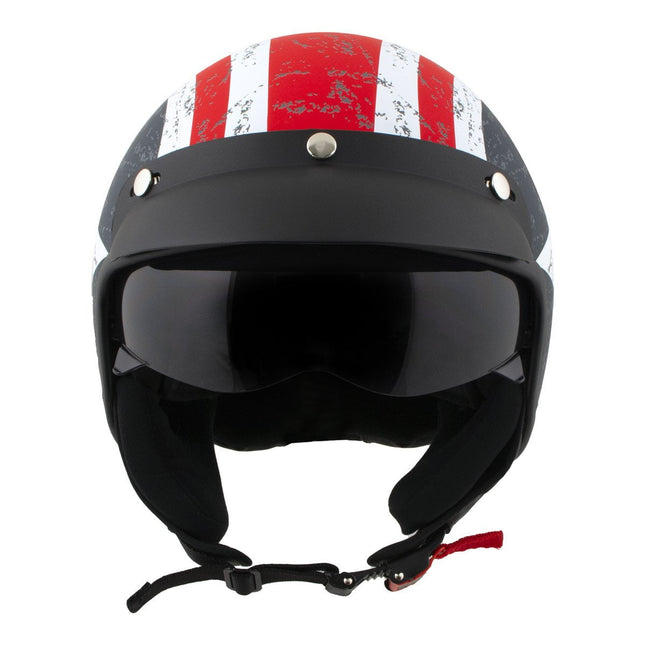
3/4 open-face helmets cover the top, back, and sides of your head and leave your face open. The 3/4 Matte Black Open Face Helmet with Drop Down Tinted Visor and the Maverick 3/4 Star & Stripes Open Face Helmet are examples. See all 3/4 helmets.
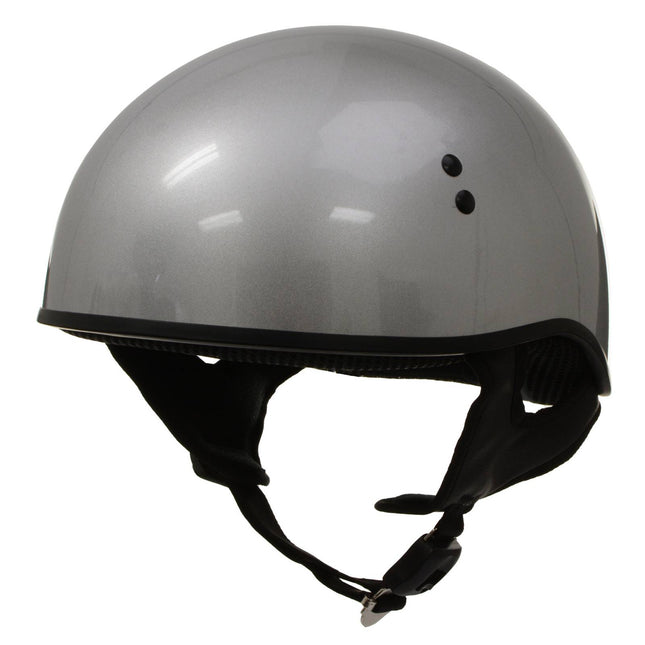
Half shells and skull caps are the lightest, most minimal option. The Hot Leathers Glossy Silver DOT Skull Cap and the Blue Flag DOT Half Helmet with Drop Down Visor fit this category. Browse more 1/2 helmets.
Open-face and half-shell helmets protect the top of your head but leave your face and jaw exposed. If you ride at highway speeds or want maximum protection, a full-face helmet is the stronger choice.
Two Brands, Two Personalities
Daytona Helmets make up a large share of the collection, with skull caps, cruiser-style open-face models, and graphic designs. Many are DOT-approved and cover everything from scooters to choppers. Browse the full Daytona Helmets range.
Hot Leathers is known for classic biker styling at accessible prices. See the Hot Leathers collection.
The Fit Test: How to Know a Helmet Is Right
An expensive helmet that fits badly protects worse than an affordable one that fits well. Use this five-minute check.
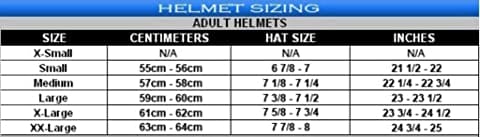
- Measure your head. Wrap a soft tape around your head about an inch above your eyebrows and ears. Compare the number with the size chart on the product page, since sizing varies by brand.
- Check for snugness. The helmet should feel firm all around, with your cheeks gently pressed. It should not hurt or leave pressure points on your forehead.
- Try the shake test. Fasten the strap, shake your head, and nod. The helmet should move with your head, not slide around on it.
- Try the roll test. Hold the chin area and try to roll the helmet forward off your head. If it slips over your eyes, it’s too big.
- Wear it for 15 to 20 minutes. Pressure points show up with time. Liners also relax a little during break-in, so a helmet that feels very snug at first often settles into the right fit.
If you are between sizes, choose the smaller size, since the padding will compress. Review our return policy before you order so you know your options.
Features That Matter
Visors and shields. A drop-down visor shields your eyes from wind, dust, and bugs. Tinted visors help in bright sun, but a dark visor is a poor choice for night riding. Use a clear or light one after dark.
Ventilation. Open-face and half-shell helmets are cooler in summer. Full-face helmets with vents can be comfortable too, but they trap more heat when stopped.
Liner and padding. A soft, removable liner makes a helmet more comfortable on long rides and easier to clean.
Chin strap. Look for a strap that fastens securely and stays in place. A helmet only works if it stays on your head.
Intercom. A built-in speaker and microphone, like the one on our full-face model, helps with navigation, calls, and group rides. Confirm the product page for compatibility and features.
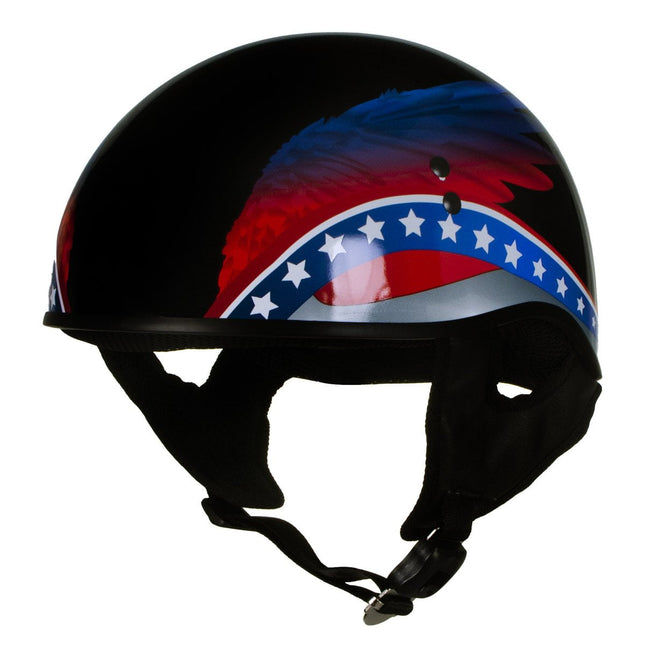
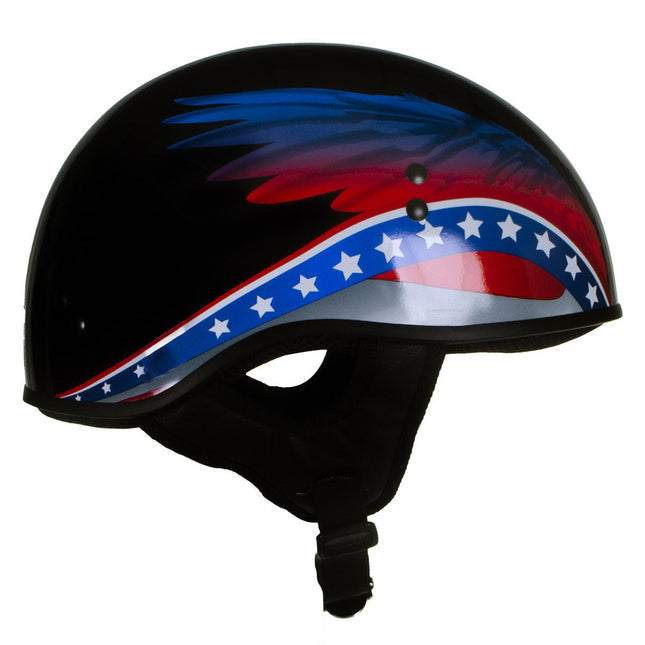
Graphics and finish. Matte black, gloss black, silver, and graphic designs all appear in the collection. Matte finishes can show scuffs and oils differently than gloss, so choose the finish you’re willing to maintain.
When to Replace Your Helmet
Replace a helmet after any significant impact, even if it looks fine. The foam that absorbs energy is designed for one hit. Many manufacturers and safety groups also recommend replacing a helmet about every five years, since glues, foam, and liners age. Follow the guidance in your helmet’s manual.
Care basics: Clean the shell with mild soap and water. Wash removable liners according to the instructions. Avoid harsh solvents, which can weaken some shell materials. Store the helmet in a cool, dry place and never hang it by the strap from a mirror or handlebar, where it can be dropped or deformed.
A Note on Helmet Laws
Helmet laws differ widely between U.S. states. Some require helmets for all riders, some only for certain ages or license types, and some have limited requirements. Always check your state’s current rules before you ride. Even where it’s optional, a DOT-certified helmet is a smart choice.
Complete the Gear
A helmet is one piece of a riding setup. Pair it with motorcycle jackets, riding gloves, and motorcycle boots. For women’s gear, see our women’s helmets.
Shop Motorcycle Helmets at MARA Leather
Use the filters to sort by price and availability, then check the certification and sizing on each product page. Orders over $100 ship free in the US, returns are designed to be hassle-free, and our customer service team is available from 8 AM to 8 PM to help you choose.
Find your helmet today and ride with protection that fits.
Frequently Asked Questions
What does DOT approved mean on a motorcycle helmet?
It means the manufacturer certifies the helmet meets the U.S. Department of Transportation’s Federal Motor Vehicle Safety Standard 218. Look for the DOT marking on the back of the helmet.
What is the difference between DOT and ECE?
DOT is the U.S. standard, and ECE is the European standard used in many other countries. A helmet certified to both meets two recognized safety benchmarks.
Which helmet type is safest?
Full-face helmets cover the most area, including the chin and jaw, so they generally offer the most protection. Fit and certification matter as much as the style.
Are half helmets safe?
A DOT-certified half helmet protects the top of your head, but it leaves your face, jaw, and ears exposed. It offers less coverage than a 3/4 or full-face helmet.
Are novelty German helmets legal to ride in?
In states that require a DOT helmet, a novelty helmet without DOT certification generally does not meet the requirement. Choose a DOT-certified German-style helmet if you want the look for riding.
How do I know what size helmet to buy?
Measure your head about an inch above your eyebrows and compare it to the size chart on the product page. The helmet should feel snug, with no pressure points and no sliding when you shake your head.
How often should I replace my helmet?
Replace it after any significant impact and consider replacing it about every five years, or as your manufacturer recommends.
Can I use a tinted visor at night?
Dark visors reduce visibility in low light, so use a clear or light visor at night.
Are your helmets unisex?
Many are sold for men and women, and some list youth options. Check the size chart and description on each product page.


