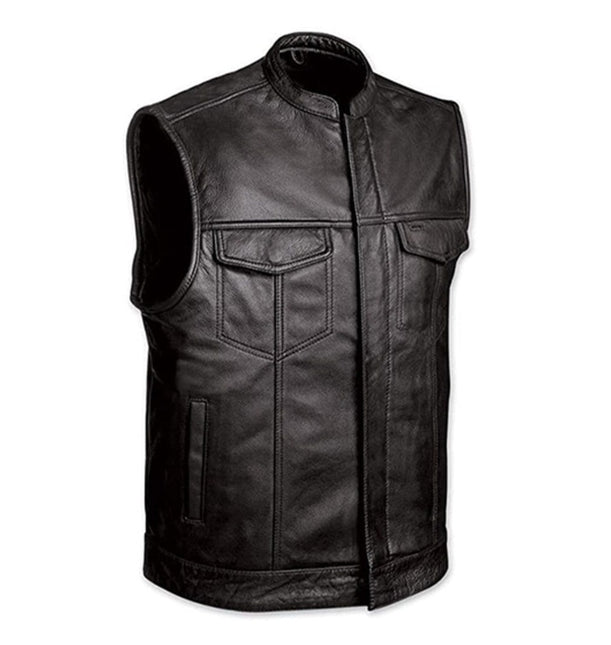
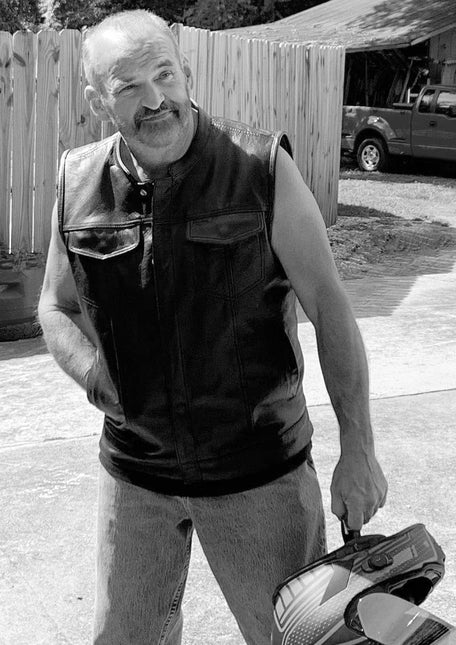
How to Accessorize a Leather Jacket: Belts, Boots, and Beyond
, by Syed Khawar Bukhari , 17 min reading time
, by Syed Khawar Bukhari , 17 min reading time
Quick answer: To accessorize a leather jacket well, match your belt and boots to the jacket's leather tone (or contrast intentionally), keep jewelry and bags minimal so they don't compete with the jacket's texture, and let one accessory — not three or four — carry the statement. Tonal coherence, not matching everything perfectly, is what makes the outfit read as put-together.
A leather jacket already does most of the work in an outfit. It has texture, structure, and a built-in edge that no other fabric quite replicates. The mistake most people make isn't picking the wrong jacket — it's what they put around it. A great jacket paired with the wrong belt, the wrong boots, or too much jewelry can look unfinished, or worse, accidentally costumey.
This guide breaks down exactly how to accessorize a leather jacket: which belts work, how to choose boots that complete rather than compete, and the smaller details — bags, jewelry, scarves, sunglasses, gloves — that separate a good outfit from one that looks deliberate. Whether you're working with a black moto jacket, a cognac bomber, or a tailored leather blazer, the same core principles apply.
Leather has a strong visual presence. It catches light differently than cotton or wool, it has weight, and it already reads as a statement piece the moment you put it on. That changes the accessorizing math compared to, say, a plain sweater or blazer.
With most garments, accessories add interest. With a leather jacket, accessories need to support an outfit that already has interest. The goal shifts from "add more" to "add just enough." Every belt, boot, or bag you choose should either extend the jacket's tone or intentionally contrast with it — never compete with it for attention.
This is the single rule worth remembering before anything else: the jacket leads, the accessories follow.
Before picking a single belt or boot, identify two things about your jacket: its silhouette and its leather tone. Both determine what will actually work.
Silhouette matters because it sets the outfit's energy. A biker jacket with an asymmetric zip and hardware details carries a rebellious, edgy tone. A café racer, with its band collar and minimal hardware, sits closer to smart-casual. A bomber feels relaxed and sporty. A leather trench or tailored blazer leans elevated and works in semi-formal settings. Your belt, boots, and jewelry should match that same energy — chunky studded boots suit a biker jacket; sleek Chelsea boots suit a café racer or blazer.
Leather tone matters because it decides whether you're matching or contrasting. Black leather is the most flexible, pairing cleanly with black, brown, or even burgundy accessories. Brown and cognac jackets read warmer and pair naturally with tan, camel, or dark brown leather goods. Once you know your jacket's tone, choosing a belt or boot becomes a much shorter list of decisions instead of a guessing game.
A belt with a leather jacket is easy to get wrong because it's easy to ignore. But a good belt does more than hold up your pants — it's one of the few accessories that sits in direct visual conversation with the jacket, since both are leather.
The safest approach is tonal coherence: pair a black jacket with a black belt, or a brown jacket with a cognac or tan belt. This creates a cohesive leather-on-leather look without requiring an exact color match — leather tones don't need to be identical, just compatible.
Contrast can also work, and it's becoming more common in 2026 styling. A black leather jacket with a brown belt reads as an intentional, warm contrast rather than a mismatch, especially when the rest of the outfit picks up that same brown tone somewhere else, like in boots or a watch strap. The key is repetition: if you introduce a contrasting color, echo it at least once more in the outfit so it looks planned.
Belt width changes the visual weight of the outfit. A slim belt (around 1 to 1.25 inches) creates a cleaner, more streamlined line and works well under a fitted café racer or blazer-style jacket. A wider belt (1.5 inches or more) adds a more rugged, grounded look that pairs naturally with a biker jacket or motorcycle jacket.
Hardware should echo — not duplicate — the jacket's hardware. If your jacket has silver zippers and studs, a belt buckle in brushed silver or gunmetal will feel connected. If the jacket is minimal with barely any hardware, choose a simple, low-profile buckle so the belt doesn't introduce a level of detail the jacket doesn't have.
Statement belts — bold colors, oversized buckles, woven or exotic-texture leather — are having a moment, but they work best against a simple, neutral outfit underneath. If your jacket and base layers are already fairly plain (a white tee, dark denim), a statement belt becomes the intentional focal point below the jacket. If the jacket itself is already loud (color-blocked, quilted, fringed), skip the statement belt and keep it simple instead.
Footwear is arguably the accessory with the most power to make or break a leather jacket outfit, because it's the other major leather element in most head-to-toe looks.
Chelsea boots are the most versatile pairing for nearly any leather jacket style. Their clean silhouette works with biker jackets, cafe racers, bombers, and even leather blazers. Black Chelsea boots suit black or dark leather jackets; brown or tan Chelsea boots suit cognac, camel, or lighter brown jackets. Because Chelsea boots have minimal hardware, they rarely clash with anything, which makes them the safest default if you're unsure.
For biker and motorcycle jackets specifically, a rugged lace-up or combat-style boot leans into the jacket's inherent edge. Chunky soles and heavier leather uppers are trending for 2026 and pair especially well with cropped or oversized silhouettes. This combination works best in casual and streetwear-influenced settings rather than smart-casual ones, where the ruggedness can look out of place.
Clean, minimal sneakers in white or grey can work with a leather jacket, particularly bombers or cafe racers in casual settings. The rule here is restraint: choose sneakers with little to no branding or bold color-blocking, since the jacket should still be the loudest piece in the outfit. Avoid heavily athletic trainers with more elevated leather pieces like a leather coat or tailored blazer — the contrast reads as mismatched rather than intentional.
Polished oxfords, brogues, and other dress shoes generally clash with the casual-to-smart-casual energy of most leather jackets. The exception is a longer leather coat or trench worn over tailored trousers in a semi-formal setting, where a sleek leather derby shoe can bridge the gap. For biker jackets, bombers, and cafe racers, stick to boots or clean sneakers instead.
A bag is one of the few accessories people forget entirely when planning a leather jacket outfit, but it has real influence on how "finished" the look feels.
Crossbody bags in unconventional shapes are trending and work particularly well with casual and off-duty leather jacket looks — worn over a bomber or biker jacket with jeans, a crossbody adds functional edge without competing with the jacket.
Structured bags — a compact tote, a briefcase-style bag, or a structured shoulder bag — elevate a leather jacket toward smart-casual or business-casual territory. This pairing works especially well with a leather blazer or cafe racer over tailored trousers.
Backpacks keep things casual and urban. A minimalist leather or canvas backpack pairs naturally with a bomber or biker jacket and sneakers, particularly for everyday wear or commuting.
As with belts, tone consistency matters more than exact matching. A black bag with a brown jacket, or vice versa, still reads as intentional as long as the rest of the outfit isn't introducing a third clashing leather tone.
Because a leather jacket already carries visual weight, jewelry needs to be restrained. This is one of the most consistent pieces of advice across current menswear and womenswear styling guidance: minimal, well-chosen pieces beat multiple statement items every time.
For a minimal, elevated look: a simple wristwatch with a leather or metal band, a single chain necklace, or subtle stud earrings. These add polish without pulling focus from the jacket.
For an edgier look: a leather cuff or wristband, a single chunky ring, or layered thin chains can work with a biker jacket specifically, since the jacket's hardware already sets an edgier tone that can support slightly bolder jewelry.
What to avoid: multiple large statement pieces at once — big earrings, a chunky necklace, and stacked bracelets together will compete with both the jacket and each other. Pick one point of jewelry focus and keep everything else simple.
If your watch or jewelry includes leather elements, matching them to your jacket's leather family (matte with matte, smooth with smooth) creates a more cohesive, considered look than mixing finishes.
These smaller accessories are optional, but they're often what separates a thrown-together look from one that feels genuinely styled.
Scarves add texture and, in colder months, warmth. A patterned or oversized scarf works well against a solid, neutral leather jacket, since the jacket provides a plain backdrop for the pattern to stand out. Keep the scarf's dominant color connected to something else in the outfit — the boots, the bag, or the belt — so it doesn't feel randomly placed.
Hats can add a distinct finishing note. A flat cap in leather over a bomber jacket creates a cohesive textural pairing, while a newsboy cap suits heritage-style jackets. Beanies work well with casual bomber or biker looks in cold weather, particularly in a neutral tone that doesn't fight with the jacket's color.
Gloves are one of the most underused leather-on-leather pairings. Gloves in the same leather family as the jacket — tan gloves with a cognac jacket, black gloves with a black jacket — create a tonal connection that reads as considered rather than accidental. This doesn't mean matching exactly; a slightly darker or lighter shade within the same color family still works.
Sunglasses deserve a mention too: metal-framed aviators or slim, minimal frames suit the sleekness of leather far better than oversized or heavily branded styles, which can look like they're competing with the jacket for attention.
Color is often the fastest way to decide what will and won't work, so here's a quick breakdown by common leather jacket tones.
Black leather jacket: The most flexible base. Black accessories create a sleek, monochrome look, especially effective with a turtleneck and tailored trousers for a quiet-luxury feel. Brown or cognac accessories (belt, boots, gloves) create a warm, intentional contrast. Metallic accessories add a slightly futuristic edge for evening looks.
Brown or cognac leather jacket: Pairs naturally with tan, camel, or dark brown accessories. Avoid black accessories in large quantities with a brown jacket — a single black bag can work, but black boots and a black belt together tend to read as mismatched rather than contrasting.
Suede jackets: Suede needs accessories that mirror its softer, matte texture. Avoid high-shine metallic hardware or patent leather boots, which will clash with suede's organic finish. Matte-finished watches, raw-edge scarves, and non-glossy boots keep the texture story consistent.
Colorful or color-blocked jackets (burgundy, emerald, steel blue, and similar bold tones trending in 2026): Keep accessories neutral — black, brown, or grey — so the jacket's color remains the clear focal point. Introducing a second bold color in your belt or bag usually competes rather than complements.
The same jacket can be dressed for very different settings depending on how you accessorize it.
Casual / everyday: Minimal sneakers or Chelsea boots, a simple belt, a crossbody or backpack, and understated jewelry. This is the lowest-effort, most reliable formula — a plain tee, dark denim, and clean footwear under the jacket.
Smart-casual: Chelsea boots or leather loafers, a structured bag, a slim belt, and a single refined jewelry piece like a watch. Works well with a cafe racer or leather blazer over tailored trousers and a button-up shirt or turtleneck.
Evening / date night: For women, ankle boots or pointed-toe heels, a structured or compact bag, and one statement jewelry piece (bold earrings or a single cuff) against an otherwise simple outfit like a slip dress. For men, a slim leather jacket over a co-ord or fitted shirt, paired with clean boots and minimal accessories, bridges casual and elevated well.
Climate changes which accessories make sense, even when the jacket stays the same.
Spring: Lightweight layering means accessories can stay light too. Swap heavier boots for clean sneakers or low-profile Chelsea boots, and skip gloves and scarves in favor of sunglasses and a simple crossbody bag. A lighter-toned belt (tan rather than dark brown or black) also suits the season's brighter palette.
Summer: Leather jackets still work in summer as an evening layer or transitional piece for cooler climates. Keep accessories minimal and breathable — a slim belt, simple sandals or sneakers instead of boots, and sunglasses as the main statement piece. Avoid heavy scarves or gloves, which read as out of season regardless of how well they'd otherwise match.
Fall: This is peak leather jacket season, and accessories can lean into it fully. Boots (Chelsea, combat, or lace-up depending on jacket style) come back into rotation, along with a proper belt and, if the weather calls for it, a lightweight scarf in a muted tone.
Winter: Function and style overlap here. Gloves become genuinely useful rather than purely decorative, and a scarf adds real warmth. Chunky-sole boots handle both the weather and the season's bolder styling trends. A structured bag or backpack rounds things out without adding bulk under the jacket.
The core principles — tonal coherence, restraint, matching formality — apply regardless of who's wearing the jacket. What changes is which specific accessories tend to get reached for.
For women, accessorizing often centers on bold but singular statement pieces: hoop earrings, a statement belt cinched at the waist, or a structured handbag. Because leather jackets are frequently paired with dresses, skirts, or jumpsuits, the belt takes on extra importance — it's often the piece that defines the waist and ties the jacket to the rest of the outfit. Ankle boots, slingbacks, and heeled mules all work well depending on the occasion, giving more footwear flexibility than the boots-or-sneakers approach common in menswear.
For men, accessorizing tends to stay closer to function-forward pieces: a wristwatch, a leather wristband, slim sunglasses, and a well-chosen belt. Footwear choices are more standardized around Chelsea boots, lace-up boots, or minimal sneakers. The main styling lever for men is often the base layer underneath the jacket — a plain tee versus a turtleneck versus an Oxford shirt — with accessories playing a smaller, more consistent supporting role.
In both cases, the same test applies: if an accessory pulls attention away from the jacket instead of supporting it, it's doing too much.
A few patterns consistently undercut an otherwise good leather jacket outfit:
What color belt goes with a black leather jacket?
Black is the safest match, creating a sleek monochrome look. Brown or cognac belts also work well as an intentional warm contrast, especially if you repeat that brown tone in your boots or bag.
Can I wear brown boots with a black leather jacket?
Yes. Brown boots with a black leather jacket create a warm contrast that reads as deliberate rather than mismatched, particularly with tan or cognac accents elsewhere in the outfit, like gloves or a belt.
What jewelry works best with a leather jacket?
Minimal, well-chosen pieces work best: a single watch, one chain necklace, or subtle earrings. A leather jacket already carries visual weight, so heavy or multiple statement jewelry pieces tend to compete with it rather than complement it.
Should my belt match my boots exactly?
No. Tonal coherence matters more than an exact match. A belt and boots in the same color family — both black, or both in warm brown tones — read as coordinated without needing to be identical shades.
What bag works best with a leather jacket?
It depends on the setting: crossbody bags suit casual looks, structured totes or shoulder bags suit smart-casual and business-casual outfits, and minimalist backpacks work well for everyday, urban wear.
Do I need to accessorize a leather jacket at all?
Not heavily. A leather jacket is already a statement piece, so the goal isn't to add as many accessories as possible — it's choosing a few (belt, boots, maybe one piece of jewelry) that support the jacket rather than compete with it.
Accessorizing a leather jacket comes down to one habit: check every addition against the jacket, not against some general styling rule. Does this belt's tone connect to the jacket or the boots? Does this bag's formality match the jacket's energy? Is this the third loud accessory in the outfit, or the first?
Start with tonal coherence between your belt and boots, keep jewelry and bags minimal, and match footwear formality to the jacket's silhouette. Get those three things right, and everything else — scarves, hats, gloves, sunglasses — becomes an easy addition rather than a guessing game.


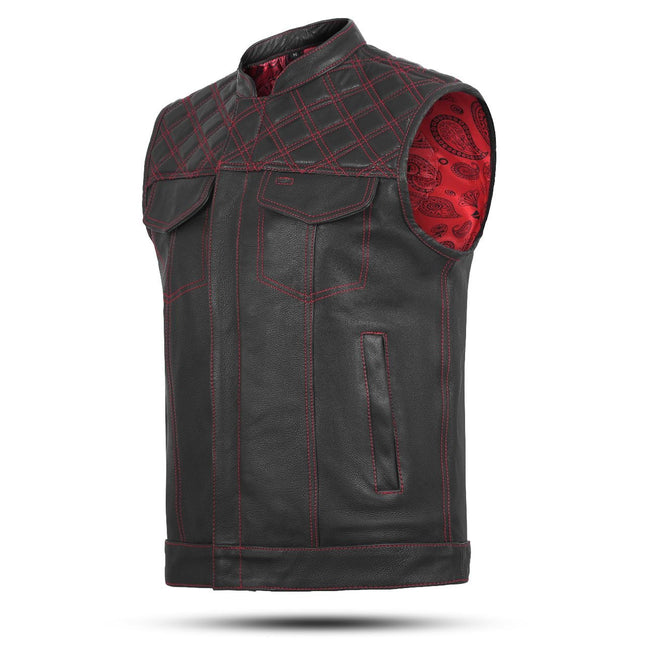
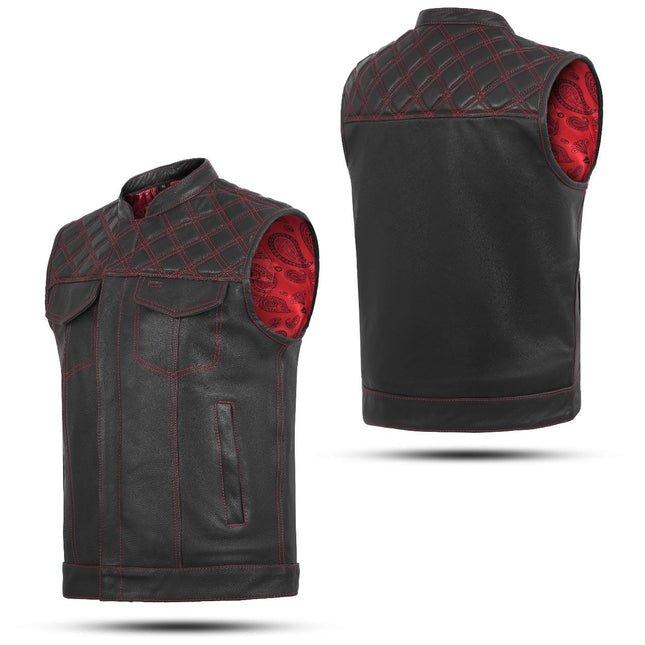


$129.95 - $159.95
$139.95 - $169.95


$139.95 - $169.95