Why Do Bikers Wear So Much Leather? The Complete Guide
, by Syed Khawar Bukhari , 12 min reading time
, by Syed Khawar Bukhari , 12 min reading time
Leather and motorcycles go together like thunder and the open road. Walk into any biker rally, cruise past any motorcycle meet, or simply watch a group of riders pull up to a stoplight, and you will notice one unmistakable thing: leather is everywhere. Jackets, gloves, boots, pants, vests, and chaps all made from thick, rugged leather. But why? Is it purely for style, or is there something deeper going on? The answer is both simpler and more fascinating than most people expect.
Let's get the most important point out of the way first. Leather is one of the best natural materials available for protecting the human body during a motorcycle accident. When a rider goes down at speed, the body slides across pavement, gravel, or concrete. This is called road rash, and without proper gear, it can strip skin right down to bone within just a few feet of sliding.
Thick, quality leather resists abrasion far better than denim, cotton, or synthetic fabrics. A good leather biker jacket rated for motorcycle use can keep a rider's skin intact even at moderate speeds during a slide. That is not a small thing. That is the difference between walking away from a crash and spending weeks in a hospital burn unit.
This is why motorcycle safety organizations around the world consistently recommend leather as a top protective material for riders. The physics are straightforward: leather's dense fiber structure does not tear easily, it distributes friction across a wide area, and it holds together under significant stress.
Many newer synthetic textiles like Cordura nylon and Kevlar have entered the motorcycle gear market, and they perform well. However, leather still holds a unique advantage in abrasion resistance at the thicker gauges used in motorcycle jackets. A 1.2mm to 1.4mm cowhide jacket offers protection that comparable textile gear has to work harder to match. Leather also has a natural flexibility once broken in, meaning it conforms to the rider's body without restricting movement.
Additionally, leather does not flap, flutter, or catch wind the way loose fabric does at highway speeds. This might seem like a minor comfort issue, but at 70 miles per hour, fabric that catches air can become genuinely fatiguing and even distracting for the rider.
Riding a motorcycle means sitting in an exposed position with nothing between you and the elements. Wind chill is a serious issue even on a warm day. At 60 miles per hour, a 70 degree day can feel like it is in the 50s or lower when you factor in wind chill on exposed skin or thin clothing.
Leather acts as a natural windbreaker. It is dense enough to block cold air from reaching the body, keeping core temperature stable on long rides. This is not just a comfort concern. Riding while shivering or while your hands are numb from cold is genuinely dangerous. Leather gear gives bikers the ability to stay warm, focused, and in control.
Leather also handles light rain reasonably well. While it is not waterproof in the way a dedicated rain suit is, quality treated leather will shed light moisture and slow the penetration of water significantly. For short rain encounters, a good leather jacket can keep a rider dry enough to get to shelter without soaking through entirely.
There is a reason long distance touring riders almost always show up in leather. On a ride that might cover 400 or 500 miles in a single day, conditions change. You might start in cool morning air, hit afternoon heat, and then face chilly evening temperatures as you descend into a valley. Leather handles these transitions better than many other materials because it breathes slowly and holds warmth without causing rapid overheating the way some synthetics can.
Many bikers pair a leather jacket with layering underneath, adding or removing a thermal base layer as conditions change. The leather shell stays on because removing it means losing protection, and no sensible rider wants to be without abrasion protection while moving.
Protection and weather resistance explain a lot, but they do not explain everything. Leather in motorcycle culture carries enormous social and symbolic weight that has built up over decades.
The image of the leather clad biker was cemented in American culture in the post World War II era. Veterans came home having ridden motorcycles during the war, found freedom and brotherhood on two wheels, and formed clubs. The gear they wore was practical military surplus leather. It kept them warm, it lasted, and it marked them as part of a distinct group.
Films like "The Wild One" with Marlon Brando in 1953 pushed this image into mainstream consciousness. Suddenly the leather jacket was not just functional gear. It was a statement. It said: I ride, I am free, I live by my own rules. That association never really went away.
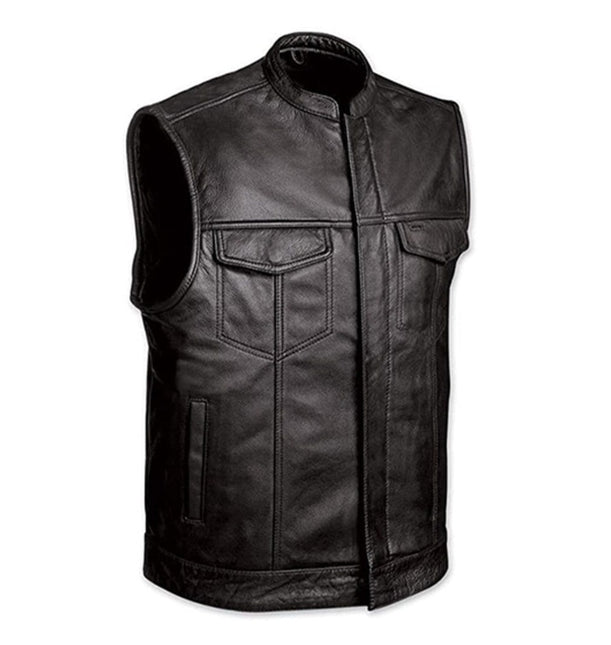
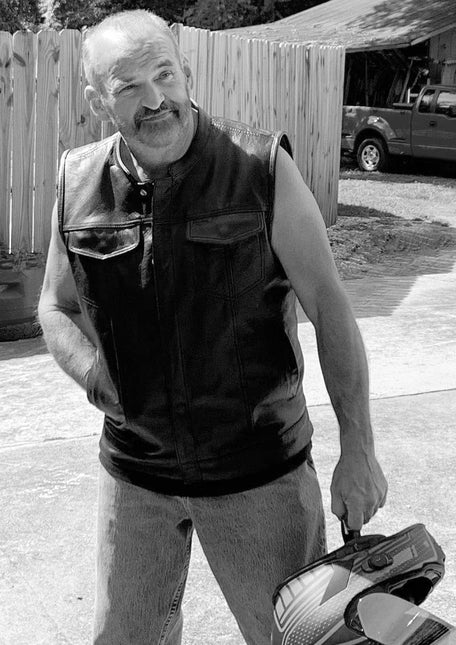
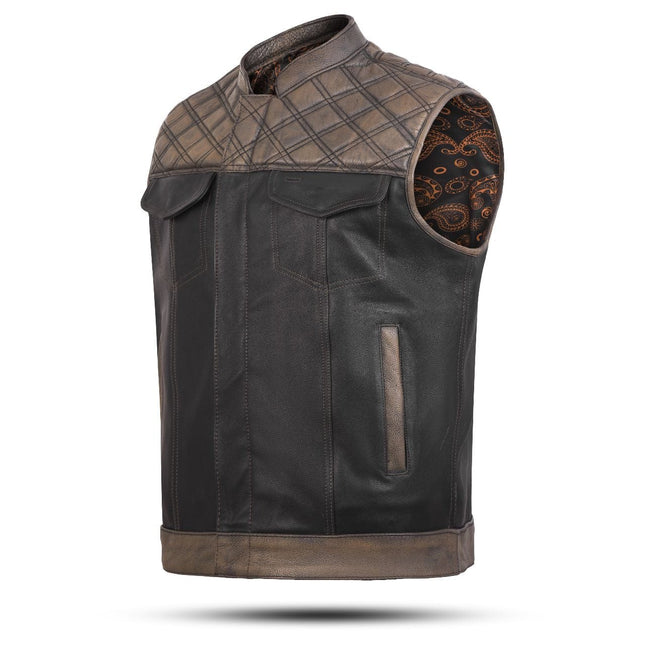
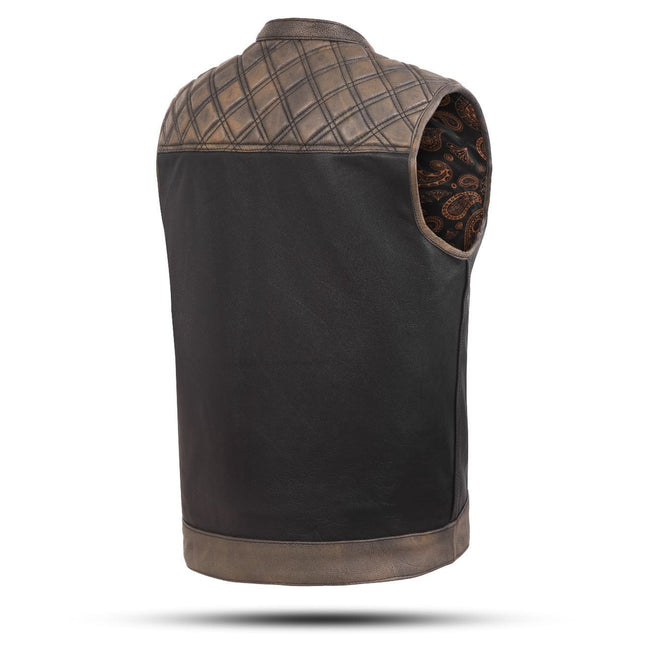
Within motorcycle communities, what you wear communicates a great deal about who you are and where you belong. A cut, which is a leather vest with the sleeves removed, typically bears the patches of a rider's club or organization. These patches tell a story. They show affiliations, ranks, miles ridden, and chapters visited.
This is not mere decoration. In serious motorcycle culture, a patched leather vest represents earned membership and loyalty. Wearing another club's colors without permission is considered a serious offense. The leather itself becomes the canvas on which identity and community are written.
Even riders who are not part of formal clubs often gravitate toward leather because it connects them to this broader tradition. Pulling on a leather jacket before a ride is a ritual. It means something. It says: right now, I am a rider.
Here is something that does not get discussed enough: a quality leather jacket or pair of leather pants can last decades with proper care. This is not an exaggeration. Bikers who buy good leather gear in their twenties often still have it in their forties or fifties, still functional, still protective.
Compare this to textile gear, which often begins breaking down after five to seven years of regular use. Zippers wear out, fabric thins, waterproofing degrades. Leather, when conditioned and cared for, actually gets better with age. It softens, it molds to the body, and the protective qualities remain intact.
Over a lifetime of riding, a single good leather jacket may cost less than cycling through two or three textile jackets. When you frame it that way, leather is not an extravagance. It is a practical long term investment.
Maintaining leather gear is straightforward. Regular cleaning with a leather cleaner, followed by conditioning with a quality leather conditioner, keeps the material supple and resistant to cracking. Riders who take ten minutes every few months to care for their leather will get a lifetime of use from it. Storing leather away from direct sunlight and heat prevents fading and drying. It is a low maintenance relationship that pays off enormously over time.
Modern leather motorcycle gear is often designed with pockets for CE rated armor inserts at the shoulders, elbows, back, and knees. This combination of leather shell and rigid or semi rigid armor gives a rider layers of protection that work together.
The leather resists abrasion and road contact. The armor absorbs and distributes impact forces in the event of a collision. Together, they address the two primary types of injury in motorcycle accidents: slide injuries from road contact and impact injuries from hitting hard objects.
Leather holds armor pockets in place better than many softer fabrics because it does not stretch or deform significantly on impact. The armor stays where it is supposed to be, protecting the joints and spine it was positioned to cover.
Traditional black leather does present one challenge: it can reduce visibility at night. However, many modern leather jackets address this with reflective piping, panels, or logos built directly into the design. These reflective elements catch headlights and make the rider visible to other drivers without sacrificing the classic leather aesthetic.
Some riders add reflective tape or vests over their leather for night riding, choosing to layer visibility over protection. The leather base layer never goes away, though, because visibility without protection is only half the equation.
There is something that is difficult to quantify but very real: leather just feels correct when you are riding. It moves with the body, it keeps wind off the skin, it smells like a ride already taken. There is a tactile rightness to it that synthetic gear, however technically impressive, has not fully replicated.
Ask a veteran rider why they wear leather after thirty years, and they will probably give you practical reasons first. Protection. Durability. Wind resistance. But keep asking, and something else comes through. Leather is part of what riding feels like. It is part of the experience itself, not just the gear you wear to survive it.
Riders who dress seriously for riding also tend to ride more seriously. Putting on quality gear puts a rider in the right mental state. It signals to the brain that what follows requires focus and respect. This psychological dimension of gear choice is underappreciated. Leather, with its weight and structure, reinforces the mindset of a rider who takes safety and the road seriously.
It is worth noting that leather is the universal standard in professional motorcycle racing. MotoGP, World Superbike, and every major professional series mandates full leather suits for competitors. These suits feature aerodynamic humps, titanium sliders, and CE certified armor throughout, but the outer shell is always leather.
The reason is simple: at 200 miles per hour, there is no better option currently available. Racing leathers are engineered to an extraordinary standard, but their foundation is the same material that bikers have trusted for a century. That consensus from the highest level of the sport reinforces what regular riders have always known through experience.
Some people assume bikers wear leather primarily for intimidation or aesthetics. While the visual impact of leather gear is undeniable, the reality is that most serious riders wear leather because it keeps them alive and comfortable. The style is a bonus that comes with a material chosen for function.
Others assume leather is uncomfortably hot in warm weather. Modern perforated leather gear addresses this directly. Perforated leather jackets and pants allow airflow at speed while still providing full abrasion protection. A rider can wear perforated leather comfortably in temperatures well above 80 degrees Fahrenheit while maintaining the protective benefits entirely.
Bikers wear leather for reasons that are practical, cultural, and deeply personal all at once. It protects better than nearly any other readily available material in the event of a crash. It shields the body from wind and cold on long rides. It lasts for decades when properly maintained. It connects individual riders to a culture and tradition that stretches back generations. And it simply feels like what riding a motorcycle is supposed to feel like.
The next time you see a biker in a full leather kit on a hot day and wonder why they are doing it, know that they are not suffering for fashion. They are wearing armor that has been trusted by riders for over a century, armor that has proven itself on highways and racetracks and country roads around the world. Leather and motorcycles are inseparable because the relationship between them is built on something that does not change: the need to protect the person on the bike, no matter what the road brings.




$129.95 - $159.95
$139.95 - $169.95


$139.95 - $169.95