Motorcycle Helmet Buying Guide 2026: Everything You Need to Know Before You Ride
, by Syed Khawar Bukhari , 11 min reading time
, by Syed Khawar Bukhari , 11 min reading time
Buying a motorcycle helmet in 2026 is not as simple as walking into a store and picking the one that looks coolest. With so many options on the market — from budget-friendly commuter lids to high-end racing helmets packed with smart tech — making the right choice takes a bit of know-how. Whether you're a new rider just getting started or a seasoned motorcyclist looking to upgrade, this guide covers everything you need to make a smart, safe, and stylish decision.
Let's be direct: your helmet is the single most critical piece of protective equipment you own as a rider. Studies consistently show that helmets reduce the risk of fatal head injuries by over 40%, and that number climbs significantly when you choose a helmet with the right safety rating. In 2026, helmet technology has advanced dramatically, but the fundamental truth hasn't changed — a good motorcycle helmet can be the difference between walking away from a crash and not walking away at all.
Beyond safety, your helmet affects your comfort on long rides, your ability to hear traffic, wind noise levels, and even your fuel efficiency through aerodynamic design. Investing wisely here isn't just smart — it's essential.
Understanding helmet types is your first step to finding the right fit for your riding style. There are five main categories every buyer should know in 2026.
Full-face helmets offer the most comprehensive protection. They cover your entire head, including your chin — statistically one of the most commonly impacted areas in a crash. These are the go-to choice for sport riders, commuters, and anyone who prioritizes safety above all else.
Modular or flip-up helmets are a hybrid design that combines the protection of a full-face with the convenience of an open-face. The chin bar flips up, making it easy to grab a coffee or have a conversation without removing your helmet. They're heavier than full-face options but extremely popular among touring riders.
Open-face helmets (3/4 helmets) cover the top, sides, and back of your head but leave your face exposed. They're comfortable and give you a great field of vision, but they leave your chin completely unprotected.
Half helmets — sometimes called "brain buckets" — offer minimal coverage. They sit on top of your head and are primarily favored for their lightweight feel and classic aesthetic. Safety-conscious riders generally avoid these for highway use.
Adventure or dual-sport helmets are designed for riders who split time between on-road and off-road riding. They feature a visor, aggressive ventilation, and a chin bar, making them highly versatile for ADV touring in 2026.
The most important question you can ask when buying a helmet is: does it meet the latest safety standards? In 2026, the key certifications to look for are DOT (FMVSS No. 218), ECE 22.06, and SNELL M2020. Each tests helmets differently, but all three indicate that the helmet has passed rigorous impact, penetration, and retention system testing.
ECE 22.06 is currently considered one of the most demanding standards globally and is widely recognized in Europe. SNELL certification involves particularly stringent lab testing and is highly regarded in motorsports. DOT is the minimum legal requirement for road use in the United States. For maximum confidence, look for helmets that carry at least two of these certifications — many premium helmets in 2026 carry all three.
The FIM (Fédération Internationale de Motocyclisme) homologation is also worth mentioning for competitive riders, as it's required for many sanctioned racing events.
No matter how much you spend on a helmet, it won't protect you properly if it doesn't fit correctly. Helmet fit is non-negotiable. A helmet that's too loose can come off in a crash; one that's too tight will cause headaches and distraction on long rides.
To find your size, measure the circumference of your head about an inch above your eyebrows using a soft tape measure. Compare that measurement to the manufacturer's size chart — sizing varies between brands, so always check. Helmets generally range from XS (51–52 cm) to 3XL (65–66 cm).
When you try a helmet on, it should feel snug all the way around without creating pressure points. Give it a firm shake — your skin should move with the helmet, not the helmet sliding around on your head. Wear it for at least 15–20 minutes before buying, because comfort in the first 30 seconds can be very different from comfort after an hour on the road.
Head shapes also matter. Most helmet manufacturers design for an intermediate oval head shape. If your head is rounder or longer, look for brands that offer round oval or long oval fits specifically.
Technology in helmets has come a long way. In 2026, there are several features worth paying attention to when comparing models.
Ventilation systems have become genuinely sophisticated. Look for helmets with multiple intake and exhaust vents that can be operated with gloves on. Good airflow keeps you cool and reduces fatigue on summer rides.
Visor quality matters more than most people realize. A scratch-resistant, anti-fog, and UV-protective visor makes a huge difference in visibility. Many premium helmets now come with Pinlock-ready visors — a dual-lens insert system that virtually eliminates fogging, even in cold or humid conditions.
Emergency Release Systems (ERS) have become a standard feature on quality helmets. These allow first responders to remove cheek pads easily without risking further neck injury — an important detail that's easy to overlook.
Integrated communication systems are more popular than ever in 2026. Some helmets come Bluetooth-ready with built-in speaker and microphone cutouts, while others ship with full integrated intercom systems for rider-to-rider communication up to 1.6 km or more.
Weight is another critical factor for comfort. Mid-range and premium full-face helmets typically weigh between 1,300–1,600 grams. Carbon fiber helmets offer the best strength-to-weight ratio but come at a premium price.
Price is always a factor, and the good news is that you don't need to spend a fortune to get a safe, quality helmet. Here's a practical breakdown of the market in 2026.
Budget helmets ($75–$150) carry basic DOT certification and offer decent protection for the price. They're perfectly acceptable for low-speed urban commuting but typically sacrifice ventilation, interior comfort, and noise reduction.
Mid-range helmets ($150–$400) hit the sweet spot for most riders. You'll find ECE 22.06 certifications, quality ventilation, anti-fog visors, and better liner materials in this range. Brands like Bell, HJC, Shoei, and Shark have strong offerings here.
Premium helmets ($400–$1,000+) offer the best materials, construction, aerodynamics, and integrated technology available. Carbon fiber shells, MIPS (Multi-directional Impact Protection System) liner technology, and advanced noise cancellation are common in this bracket.
Don't let price alone guide your decision. A $500 helmet that fits poorly is less safe than a $200 helmet that fits perfectly. Always prioritize fit and certification over brand prestige.
MIPS stands for Multi-directional Impact Protection System, and it's one of the most significant advancements in helmet safety over the past decade. It's a thin, low-friction layer inside the helmet that allows the helmet to rotate slightly — about 10–15 millimeters — upon angled impact. This rotation mimics the brain's own protective mechanism and is designed to reduce the rotational forces that cause concussions and traumatic brain injuries.
In 2026, MIPS technology has filtered down from high-end helmets into mid-range options, making it increasingly accessible. If you're choosing between two similarly-priced helmets and one has MIPS, the choice is clear. For riders who commute in traffic or ride at higher speeds, MIPS is a feature well worth seeking out.
The rise of smart helmet technology is one of the most exciting trends in motorcycling right now. In 2026, several brands offer helmets with integrated heads-up displays (HUD), allowing riders to see navigation, speed, and incoming call alerts without taking their eyes off the road. Brands like Jarvish, Sena, and Shoei have been at the forefront of this space.
Built-in cameras are also growing in popularity — not just for recording rides but for safety purposes, as some systems offer rear-view camera feeds displayed directly in the rider's visor. While these helmets sit at the premium end of the market, their prices have dropped considerably from where they were just three years ago.
Voice control, turn-by-turn GPS integration, and active noise cancellation are also becoming more refined in connected helmets. If you ride long distances or depend on navigation, a smart helmet might genuinely improve both your safety and your riding enjoyment.
Most manufacturers recommend replacing your helmet every 3 to 5 years, even if it hasn't been involved in a crash. The EPS (expanded polystyrene) foam liner that absorbs impact energy degrades over time due to exposure to sweat, oils, UV light, and general wear. After five years, that foam is no longer performing at its best — even if you can't see the difference from the outside.
After any significant impact, replace your helmet immediately. Even a drop from handlebar height can compromise the liner's structural integrity in ways that are completely invisible to the naked eye. If you're unsure whether a helmet has been dropped or impacted, treat it as compromised and replace it.
Some premium brands offer crash replacement programs that give you a discounted or even free replacement after an accident — worth checking before you buy.
The helmet market in 2026 is competitive and rich with quality options. Shoei remains one of the most respected names in premium helmets, with exceptional build quality and comfort. Arai is another top-tier Japanese brand known for its round oval fitment and meticulous hand-finishing. Bell and HJC offer excellent value across the mid-range and are consistently praised for comfort and safety ratings. Shark, AGV, and Nolan are strong European contenders, particularly in the modular and full-face categories. For budget-conscious riders, Vega and Triangle deliver solid DOT-certified protection without breaking the bank.
Choosing the right motorcycle helmet in 2026 comes down to five things: safety certification, correct fit, helmet type suited to your riding style, the features that match your needs, and a budget you're comfortable with. Don't rush the decision. Try multiple helmets, read reviews, and always verify certifications before purchasing.
Your helmet is not an accessory — it's the most important tool you carry every time you swing a leg over your bike. Invest in it with the same seriousness you'd invest in any piece of life-saving equipment. Ride informed, ride protected, and ride safe.


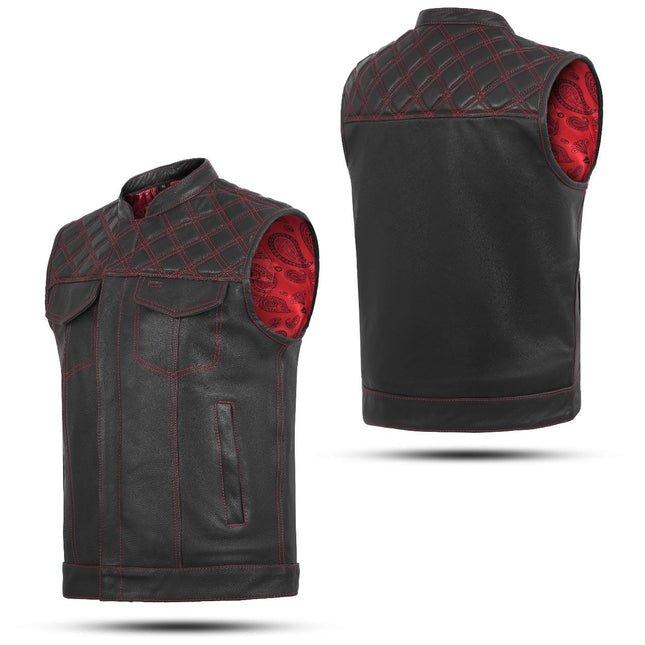


$129.95 - $159.95
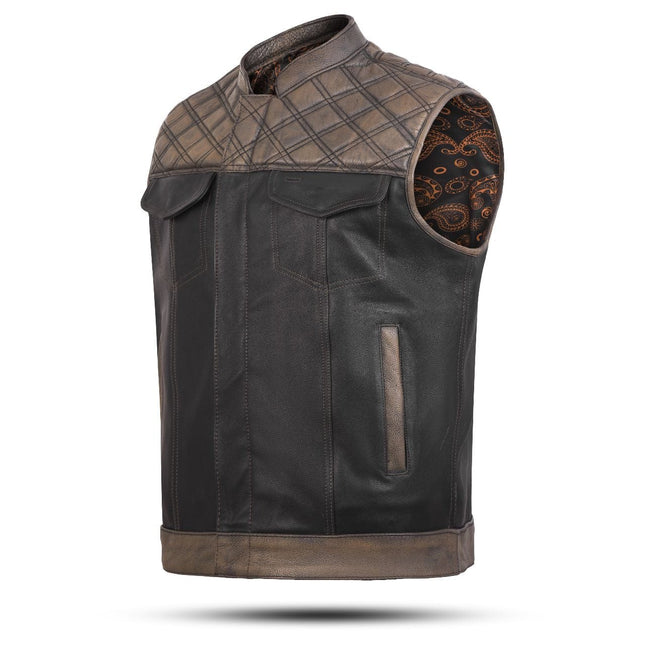
$139.95 - $169.95


$139.95 - $169.95