Leather Vest vs. Denim Vest: Which One Should a Biker Choose?
, by Syed Khawar Bukhari , 14 min reading time
, by Syed Khawar Bukhari , 14 min reading time
If you have spent any time in the motorcycle community, you already know that what you wear is just as important as what you ride. The vest is one of the most iconic pieces of clothing in biker culture, and the debate between leather vests and denim vests has been going on for decades. Both styles carry their own identity, history, and practical advantages. So which one should a biker actually choose? The answer is not as simple as picking your favorite color, and that is exactly why this article digs deep into every angle of this comparison.
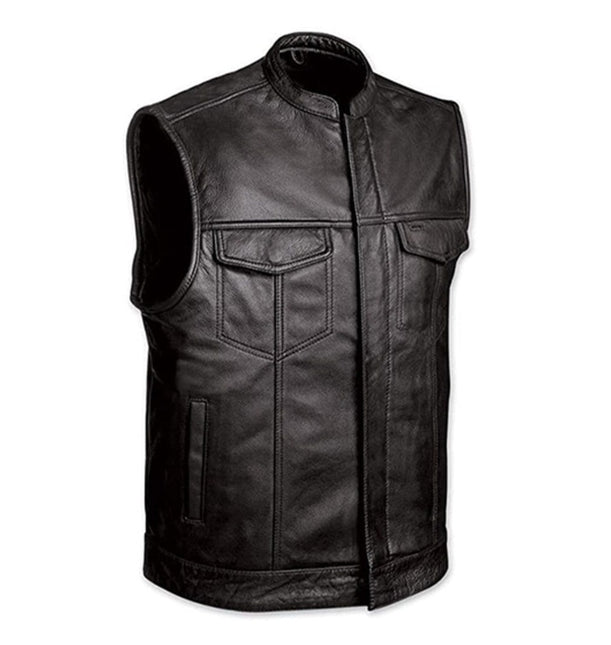
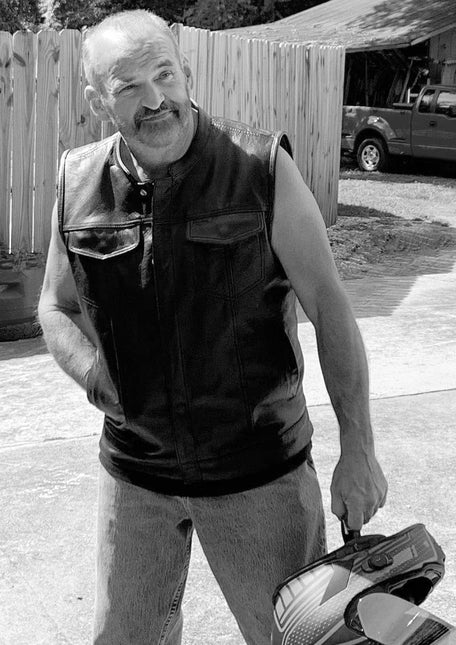
A leather vest is exactly what it sounds like: a sleeveless jacket made from genuine or synthetic leather. But in biker culture, it is so much more than a piece of clothing. It is a symbol of toughness, brotherhood, and a lifestyle built on the open road. Leather vests have been a staple in the motorcycle world since the 1940s and 1950s, when returning war veterans formed motorcycle clubs and adopted military-inspired gear as part of their identity.
Bikers love leather vests for their durability and protective qualities. Genuine leather is a naturally tough material that can withstand abrasion, wind, and minor impacts far better than fabric alternatives. If you go down on your bike, a leather vest provides a layer of protection that denim simply cannot match at the same thickness. Beyond safety, leather has an aesthetic that commands respect. It ages beautifully, developing a patina over time that tells the story of every mile you have ridden.
The leather vest became cemented in biker culture through motorcycle clubs in post-World War II America. Groups like the Hells Angels and other clubs adopted leather cuts as their official club gear, embroidering patches and insignia to mark territory, rank, and brotherhood. This tradition turned the leather vest into something almost sacred in the motorcycle community. Wearing one is not just a fashion choice; it is a statement of belonging and identity.
Not all leather vests are created equal. Cowhide leather is the most common and most durable option, preferred by serious riders who want maximum protection and longevity. Buffalo leather is thicker and more rugged, often favored by old-school bikers. Lambskin is softer and lighter but sacrifices some toughness. Then there is synthetic or vegan leather, which has grown in popularity as a more affordable and animal-friendly alternative, though purists in the biker community often stick to genuine hide.
A denim vest, often called a "cut" or "cut-off," is a denim jacket with the sleeves removed. It carries an equally proud history in biker culture, closely tied to the punk and rock scenes of the 1970s and 1980s. Denim cuts became a way for bikers and counterculture riders to express their individuality, often decorating them with patches, pins, embroidery, and hand-painted artwork.
Denim vests are celebrated for their versatility and expressive nature. Because denim is a canvas-like fabric, it holds patches and embroidery in a way that is visually distinct from leather. The texture of denim allows for a different aesthetic, one that leans more toward the rebellious, DIY punk spirit rather than the polished, authoritative look of leather. Many bikers who align with the chopper, bobber, or cafe racer scenes gravitate toward denim for its raw, unfiltered character.
The denim cut became an emblem of independence and self-expression during the 1970s. Bands like the Ramones and the cultural wave of punk rock helped push denim vests into mainstream counterculture. Bikers who identified with this movement picked up the denim cut as their armor of choice. Over time, it developed its own set of traditions, including the practice of covering the back panel entirely with patches, known as a "full back patch" or "battle jacket."
There are several very practical reasons why a biker might choose denim over leather. Denim is significantly lighter, making it more comfortable in warmer climates. It breathes better than leather, which can trap heat and become unbearably hot during summer rides. Denim is also much easier to clean and maintain. Throw it in the washing machine and you are done. With leather, you need special conditioners, cleaners, and careful storage to keep it in good shape.
Denim is also more affordable. A quality leather vest can cost anywhere from $100 to several hundred dollars for genuine hide, while a good denim cut can be made from an old jacket for almost nothing. For younger riders or those just entering the biker community, denim is often the more accessible entry point.
When it comes to pure durability and road protection, leather wins without question. Leather is a naturally abrasion-resistant material. In a slide or fall, leather maintains its structure and provides a barrier between your skin and the pavement. Denim, while tough for everyday wear, does not offer the same level of impact and abrasion resistance that leather does under crash conditions.
However, if you are riding in a controlled environment, commuting in the city, or attending a rally where you are more concerned with appearance and comfort than road rash, denim is perfectly adequate. The protection debate matters most to riders who spend long hours on highways at speed.
Denim is the clear winner in terms of everyday comfort. It is flexible, lightweight, and breathable. During a summer rally or a warm-weather ride, denim will not leave you sweating through your shirt. Leather, especially thick cowhide, can be stiff when new and uncomfortable in heat. It requires a break-in period before it truly conforms to your body.
That said, leather offers unmatched wind resistance. On cold days or during high-speed highway runs, a leather vest acts as a natural windbreaker in a way that denim cannot replicate. Many experienced bikers keep both in their wardrobe and choose based on the season and conditions.
Both vests are excellent canvases for patches, but they offer different aesthetics. Leather vests carry patches with a bold, authoritative presence. The contrast of embroidered patches against dark or brown leather creates a look that is striking and commanding. Club patches, chapter insignia, and memorial patches all look outstanding on leather.
Denim vests, on the other hand, are more forgiving and flexible for heavy customization. Because the fabric is softer, sewing patches onto denim is easier and the result often feels more organic and handcrafted. Many bikers who collect dozens of patches over the years prefer denim precisely because it accommodates that layered, patchwork look so naturally.
Leather requires more maintenance, full stop. You need to condition it regularly to prevent cracking, keep it away from prolonged sun exposure, and store it properly in the off-season. If you neglect a leather vest, it will dry out, crack, and eventually fall apart. Denim asks almost nothing of you in comparison. Machine wash, hang dry, and you are back on the road. For bikers who prefer low-maintenance gear, denim is the obvious choice.
Leather performs better in cold and windy conditions, while denim is superior in heat and humidity. Leather traps warmth and blocks wind effectively, making it the go-to choice for fall and winter riding. Denim's breathability makes it the smarter pick for spring and summer, especially in southern or tropical climates where temperatures climb quickly.
Denim vests are more budget-friendly. You can start with a secondhand denim jacket, cut the sleeves off yourself, and immediately begin building your patches. It is an accessible, democratic way to enter biker vest culture. Leather vests require a bigger investment, but many bikers view that investment as worthwhile given the longevity and prestige associated with genuine leather.
If you are part of a traditional motorcycle club or aspire to be, a leather vest is almost always the expected choice. Club culture has deep roots in leather, and many MCs have rules or strong preferences about the type of cut worn by their members. The seriousness and formality of leather aligns with the structure and tradition of organized motorcycle clubs.
If you ride alone or with a loose group of friends, prefer the punk or rock aesthetic, or simply value self-expression above all else, a denim vest gives you more creative freedom. The independent biker scene, especially within chopper, bobber, and vintage motorcycle communities, embraces denim with just as much enthusiasm as leather.
Weekend warriors and casual bikers often find that denim is the more practical choice. It is comfortable, easy to maintain, and looks great at rallies, meetups, and casual rides. You do not have to worry about conditioning it or protecting it from the elements in the same way you would with leather.
If you are logging serious miles, riding in varied weather, and spending days at a time on the highway, leather is worth the investment. The protection, wind resistance, and durability make it the sensible choice for riders who take their craft seriously and spend significant time exposed to the elements.
Here is a truth that experienced bikers know well: there is no rule that says you have to pick one and stick with it forever. Many seasoned riders own both a leather vest and a denim vest and rotate them based on season, occasion, and mood. A leather cut for cold fall rides and club events, a denim cut for summer rallies and casual meetups. That is not indecision; that is wisdom born from years on the road.
Regardless of which type you choose, there are some universal qualities worth looking for. Fit is everything. A vest that is too tight restricts movement, while one that is too loose flaps dangerously in the wind. Look for a snug but comfortable fit across the shoulders and chest. Check the stitching quality, especially around the seams and armholes, as these areas take the most stress. For leather, inspect the hide for uniformity and thickness. For denim, look for heavier weight fabric, typically 12 ounce or higher, for better durability and a more substantial feel.
Pockets are a practical must. Good biker vests should have at least two chest pockets and two side pockets, with some models offering an inside hidden pocket for valuables. YKK or comparable quality zippers matter more than people think, especially if you plan to wear the vest in wet conditions.
So which one should a biker choose? The honest answer is that it depends entirely on who you are as a rider. If tradition, protection, and prestige matter most to you, leather is your vest. If comfort, creativity, and accessibility are your priorities, denim deserves serious consideration. Neither choice is wrong, and neither is inherently superior across every category.
What matters most is that your vest reflects your identity on the road. Biker culture has always been about authenticity, and whether you choose the rugged authority of leather or the raw expressiveness of denim, wear it with pride, load it up with patches that mean something to you, and keep the rubber side down.
The leather vest and the denim vest each occupy a proud and legitimate place in biker culture. Leather brings durability, protection, weather resistance, and a commanding presence rooted in decades of motorcycle club tradition. Denim brings comfort, breathability, affordability, and a creative freedom that appeals to the independent spirit of many riders. Understanding the strengths of each style helps you make a choice that truly fits your riding lifestyle. Whether you end up in leather, denim, or both, the most important thing is that you ride your own ride and wear your story on your back.
1. Is a leather vest better than a denim vest for protection?
Yes, leather offers significantly better abrasion and wind resistance compared to denim, making it the safer choice for high-speed or long-distance riding. Denim is adequate for casual and city riding but cannot match leather's protective qualities in a crash scenario.
2. Can a biker wear a denim vest to a motorcycle club event?
It depends on the club. Traditional motorcycle clubs strongly prefer or outright require leather cuts for their members. However, independent riding groups and modern biker communities are generally more relaxed and welcome denim vests at events and rallies.
3. How do I maintain a leather biker vest?
Clean it with a damp cloth and a leather-specific cleaner, then apply a quality leather conditioner every few months to prevent drying and cracking. Store it away from direct sunlight and avoid leaving it in damp conditions for extended periods.
4. Which vest is better for hot weather riding?
Denim is the better choice for hot weather because it is lighter and far more breathable than leather. Leather traps heat and can become very uncomfortable during summer rides, while denim allows better air circulation and keeps you cooler on the road.
5. Can I put patches on both leather and denim vests?
Absolutely. Both vests are excellent for displaying patches. Leather gives patches a bold, striking appearance, while denim offers a softer, more layered look that many riders prefer for heavy customization and collecting large numbers of patches over time.




$129.95 - $159.95
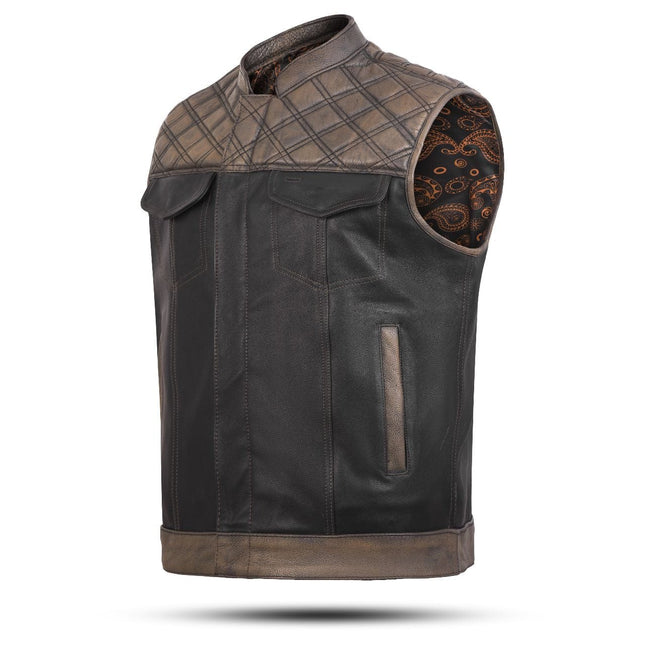
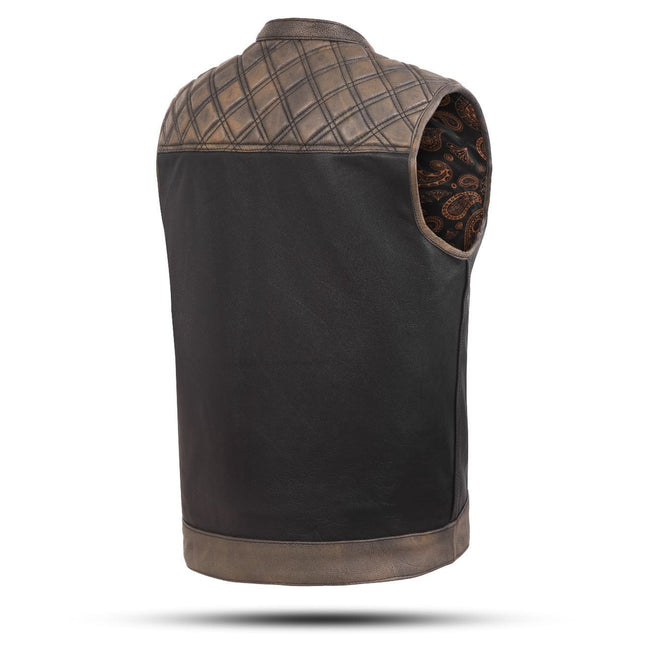
$139.95 - $169.95


$139.95 - $169.95