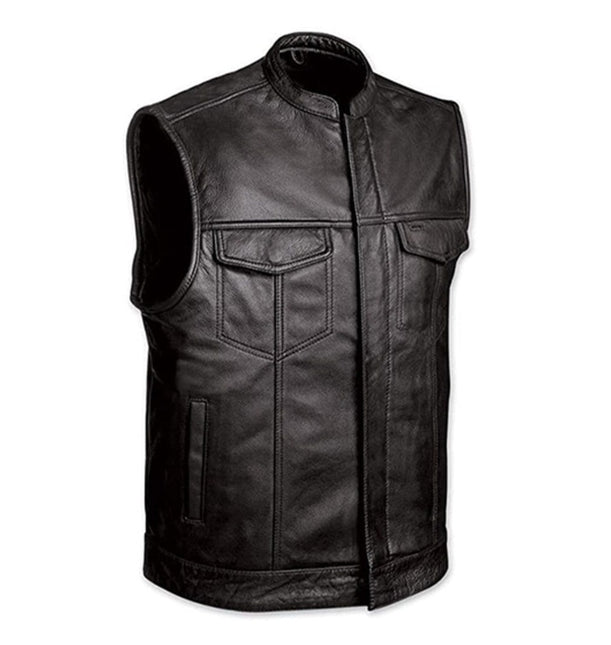
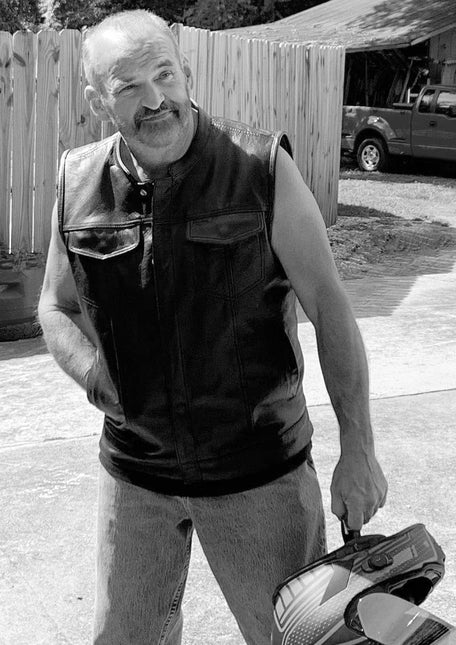
Gift Guide: The Best Leather Gear for the Rider in Your Life
, by Syed Khawar Bukhari , 14 min reading time
, by Syed Khawar Bukhari , 14 min reading time
Quick answer: The best leather gifts for a motorcycle rider fall into four categories — a CE-rated leather jacket, abrasion-resistant gloves, over-the-ankle riding boots, and smaller leather accessories like a tool roll or tank bag. Match the gift to how they actually ride: a commuter needs different gear than a weekend tourer or a track-day regular. Budget $80–150 for accessories, $200–400 for gloves or boots, and $300–900 for a quality jacket.
If you've ever stood in a gear shop trying to decode the difference between a café racer jacket and a touring jacket, you already know why this is harder than buying a sweater. Leather riding gear is not fashion first. It's a rider's second skin against asphalt, weather, and 60 mph wind. Buy the wrong size, the wrong cut, or the wrong protection level, and it sits in a closet.
This guide is built around one job: helping you buy leather gear a rider will actually wear, not just unwrap. Below, you'll find category breakdowns, sizing guidance, budget tiers, and answers to the questions people search for most before buying — laid out so you can jump straight to what you need.
Leather remains the default material for motorcycle gear because cowhide and goatskin resist abrasion better than most textiles at equivalent weight, and they age into a fit that molds to the rider's body. Textile gear has closed the gap in waterproofing and ventilation, but in a slide, full-grain leather still outperforms most synthetics for cut and burn resistance.
That's the practical case. The emotional case is just as real: a well-made leather jacket or pair of gloves develops character over years of riding. It's one of the few gifts that gets more personal the more it's used, which is part of why it works so well as a present — it's not a disposable item, it's gear the rider will reach for on every ride for a decade.
Three things separate gear worth gifting from gear that ends up returned:
Not all "leather" gear is made from the same hide, and the type affects both protection and price.
When a product listing just says "genuine leather" without specifying the hide or grain, treat that as a signal to look closer rather than a guarantee of quality. Reputable riding-gear brands are specific about hide type because it's part of what justifies the price.
A leather jacket is the highest-impact, highest-risk gift on this list. Get it right and it becomes the rider's go-to piece for years. Get the fit wrong and it's the gift that gets exchanged the next day.
A genuine riding jacket has armor pockets at the shoulders, elbows, and sometimes back, built into the lining. Many ship with removable CE-rated armor already installed — a detail worth checking before you buy, since some "moto-style" fashion jackets look identical but have no armor at all. The stitching is also different: riding jackets use safety stitching and reinforced seams at stress points like the shoulders and underarms, where a slide puts the most force.
Expect to pay $250–450 for a solidly made jacket with CE armor from a mid-tier brand, and $500–900+ for premium full-grain leather with advanced armor systems. Jackets under $150 are usually fashion pieces without real protection, and should be treated as such rather than as riding gear.
Gloves are the most-used piece of riding gear on this list — a rider puts them on every single ride — which makes them one of the safest gift bets if you nail the size.
Riders' hands hit the ground first in almost every low-side crash, which is why gloves with reinforced palms, knuckle armor, and a wrist strap outperform plain leather driving gloves by a wide margin. Look for:
Measure around the widest part of the rider's dominant hand, excluding the thumb, in inches — that number roughly corresponds to glove size (8" ≈ small, 9" ≈ medium, 10" ≈ large, 11"+ ≈ XL). If you can't measure directly, borrowing a pair of their existing riding gloves and checking the tag is more reliable than guessing from a regular clothing size.
Riding boots differ from work boots or fashion boots in three ways: ankle coverage above the anklebone, a non-grippy sole designed to slide rather than catch pavement in a fall, and reinforced shifter panels on the left boot.
Leather remains the preferred material for riding boots because it offers better abrasion resistance and shifter-panel durability than most synthetic alternatives, though high-end synthetic and hybrid boots have closed much of that gap in the past few years. If choosing between a leather boot and a synthetic one at the same price, the leather boot typically lasts longer with proper care.
If a full jacket or boots feels like too big a swing, leather accessories are lower-risk gifts that still show you understand the rider's life:
These accessories are a smart choice when you're not sure of exact sizing but still want the gift to read as "leather riding gear" rather than a generic present.
Sizing is where most leather gear gifts go wrong, because riding gear fits differently than street clothing. A few reliable tactics:
Under $50: Leather keychain, leather grip covers, leather phone pouch, leather bandana or neck gaiter.
$50–150: Leather wallet with chain, leather tool roll, entry-level leather gloves without full armor, leather riding cap.
$150–350: CE-rated leather gloves, casual leather riding boots, a leather tank bag, a lower-tier café racer jacket.
$350–900: Premium touring or café racer jacket with full CE armor, premium touring boots, a full leather riding suit for track-day riders.
The daily commuter: A café racer jacket that doubles as streetwear, plus a pair of ankle-length casual riding boots.
The weekend tourer: A touring jacket with vents and armor, paired with touring boots and a leather tank bag.
The cruiser owner: A classic straight-cut leather jacket, fringed or plain, plus a leather tool roll for the saddlebag.
The track-day rider: CE Level 2 gloves with hard knuckles, and race boots with shin and toe sliders — skip the fashion accessories here, since track riders prioritize function over style.
The new rider: Start with gloves and a jacket rather than boots, since new riders are still deciding on their long-term riding style and boot preferences.
A leather care kit turns a good gift into a thoughtful one. Include a leather conditioner, a soft cloth, and a note on care basics:
Pairing a conditioning kit with the main gift also signals that you understand leather is an investment piece, not a disposable one — a detail riders notice and appreciate.
Even well-intentioned gift buyers tend to repeat the same handful of mistakes:
Avoiding these five mistakes solves the majority of "wrong gift" outcomes reported by people buying riding gear for someone else.
What is the best leather jacket to buy as a gift for a motorcycle rider?
The best choice depends on how they ride: a café racer jacket suits commuters and standard-bike owners, a touring jacket suits highway riders, and a cruiser-cut jacket suits cruiser owners. Across all styles, prioritize CE Level 1 or Level 2 armor over brand name or color.
Is leather or textile better for a motorcycle jacket gift?
Leather offers superior abrasion and cut resistance and is the traditional choice for jackets under 100 mph impact scenarios; textile gear offers better waterproofing and ventilation. For a gift, leather is the safer choice unless you know the rider specifically prefers textile for commuting or all-weather use.
How do I know what glove size to buy?
Measure the widest part of the rider's dominant hand in inches, excluding the thumb. As a reference, 8 inches is typically small, 9 inches medium, 10 inches large, and 11+ inches extra-large, though sizing varies slightly by brand.
Do leather motorcycle gloves need armor?
Yes, for real riding use. Gloves without knuckle protection or reinforced palms offer little more than a fashion accessory would in a fall. Look for CE-rated armor if the gift is meant to be worn while riding, not just around town.
What's a safe leather gift if I don't know the rider's exact size?
Accessories like a leather tool roll, tank bag, wallet, or key fob avoid the sizing problem entirely while still reading as thoughtful, riding-specific gifts.
How much should I budget for a leather motorcycle jacket gift?
Plan on $250–450 for a solid mid-tier jacket with real CE armor, and $500 or more for premium full-grain leather with advanced protection. Jackets priced under $150 are usually fashion items rather than functional riding gear.
Can I return or exchange leather riding gear if the size is wrong?
Most riding gear retailers allow exchanges within 30–60 days if tags are intact and the item hasn't been worn outdoors. Confirm the retailer's exchange policy before buying, especially for jackets and boots, where sizing mistakes are most common.
This guide focuses on functional riding gear rather than fashion-only leather apparel. Always verify that any jacket, glove, or boot marketed as "motorcycle gear" carries a CE safety rating before treating it as protective equipment.


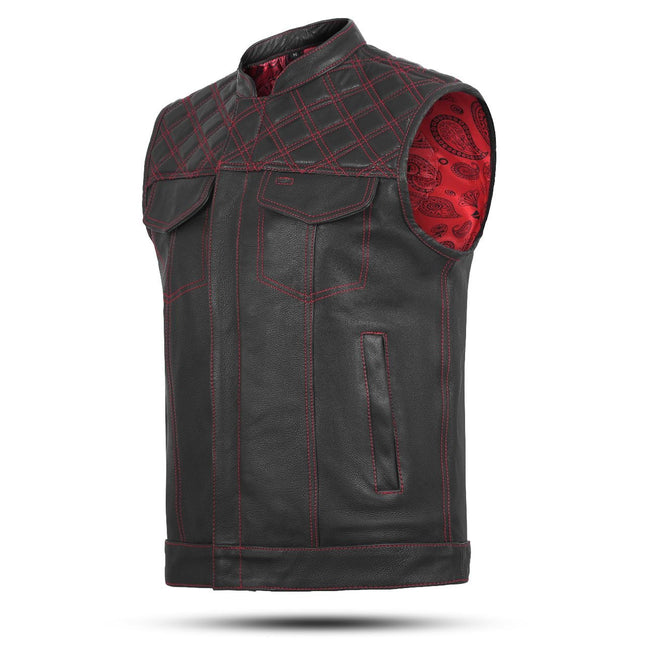
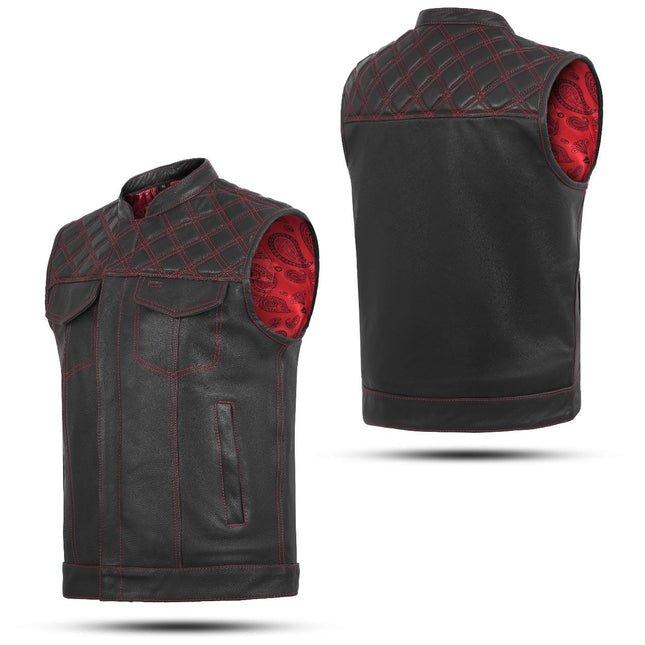


$129.95 - $159.95
$139.95 - $169.95


$139.95 - $169.95