Motorcycle Gear for Beginners: Start Smart
, by Syed Khawar Bukhari , 8 min reading time
, by Syed Khawar Bukhari , 8 min reading time
Starting your motorcycle journey is an exciting milestone, but it also comes with serious responsibility. Riding a motorcycle exposes your body to the elements, traffic, and unpredictable road conditions. For beginners, choosing the right motorcycle gear is not just about style; it is about protection, comfort, and long-term riding confidence. Investing in high-quality gear from the beginning helps you ride smarter, safer, and with greater peace of mind.
Motorcycles offer freedom and adrenaline, but they also leave riders more vulnerable than cars. Beginners often underestimate how much protective gear can reduce injury during accidents. High-quality gear absorbs impact, protects vital body parts, and improves visibility on the road. More importantly, the right equipment helps riders stay focused by keeping them comfortable in different weather conditions.
Safety is not optional when learning to ride. Helmets, jackets, gloves, pants, and boots are essential tools that work together to reduce risks. Choosing certified and well-fitted gear ensures that beginners develop good riding habits from day one.
A helmet is the most critical piece of motorcycle gear. It protects the head, face, and brain during collisions. Beginners should always select a helmet that meets recognized safety standards such as DOT, ECE, or SNELL certification. These certifications guarantee that the helmet has passed impact and durability tests.
Full-face helmets are the best option for new riders because they offer complete coverage, including the chin and jaw area. Modular helmets provide flexibility, while open-face helmets are less protective and not ideal for beginners. Proper fit is equally important. A helmet should feel snug without causing discomfort, and it should not move when you shake your head.
Ventilation, padding quality, and visor clarity also matter. A well-ventilated helmet keeps you cool, while an anti-fog visor improves visibility in changing weather conditions. Starting with a high-quality helmet builds a strong foundation for safe riding.
A motorcycle jacket is more than just a fashion statement. It provides abrasion resistance, impact protection, and weather shielding. Beginners should prioritize jackets made from leather or textile materials with built-in armor at the shoulders, elbows, and back.
Leather jackets offer excellent abrasion resistance and long-term durability. Textile jackets, on the other hand, are lightweight, breathable, and often waterproof. Many modern jackets combine safety with comfort, featuring adjustable vents, removable liners, and reflective panels for better visibility.
A properly fitted jacket should allow free movement without feeling loose. It should stay in place when riding and offer full coverage of the upper body. For beginners, investing in a quality jacket ensures both protection and confidence on the road.
Hands are often the first point of contact during a fall, making gloves essential for every rider. Motorcycle gloves protect against abrasions, impact, and weather conditions while improving grip and control on the handlebars.
Beginners should look for gloves with reinforced knuckles, padded palms, and strong wrist closures. Leather gloves provide durability, while textile gloves offer breathability and flexibility. Some gloves also feature touchscreen compatibility, allowing riders to use navigation apps without removing them.
Comfort is key for long rides. Gloves should fit snugly without restricting finger movement. Proper gloves help maintain control, reduce fatigue, and protect your hands from injury.
Regular jeans do not provide enough protection for motorcycle riding. Riding pants are designed with reinforced materials and impact-resistant armor to protect the hips, knees, and thighs.
Motorcycle pants are available in leather, textile, and Kevlar-reinforced denim. Leather offers excellent abrasion resistance, while textile pants are lighter and more weather-resistant. Many riding pants include removable thermal liners for temperature control.
A good pair of riding pants should fit comfortably and stay in place while riding. They should not bunch up or restrict movement. For beginners, wearing proper riding pants significantly reduces the risk of leg injuries.
Foot protection is often overlooked by new riders, but it plays a major role in overall safety. Motorcycle boots protect the feet, ankles, and lower legs from impact, heat, and road debris.
Quality riding boots feature reinforced toes, heels, and ankle support. They also provide better grip on the foot pegs and ground surfaces. Waterproof materials and non-slip soles add comfort and practicality for daily riding.
Boots should fit securely and allow smooth gear shifting and braking. Beginners benefit from boots that offer both protection and comfort for longer rides.
Motorcycle riding exposes you to changing weather conditions. Rain, wind, and cold temperatures can make riding uncomfortable and dangerous. Beginners should invest in weather-appropriate gear to stay focused and safe.
Waterproof jackets and pants keep you dry during rain. Thermal liners help retain warmth in cold conditions. Ventilated gear improves airflow during hot weather. Choosing versatile, all-season gear ensures comfort throughout the year.
Visibility is also crucial. Reflective elements and bright colors help other drivers see you more clearly, especially at night or in poor weather conditions.
Even the best protective gear is ineffective if it does not fit properly. Poorly fitted gear can cause discomfort, restrict movement, and reduce protection during accidents.
Beginners should try on gear before purchasing or follow accurate sizing charts when buying online. Adjustable straps, stretch panels, and ergonomic designs improve fit and comfort. A good fit allows you to focus on riding instead of adjusting your gear.
Comfort also encourages consistent gear use. When your equipment feels good to wear, you are more likely to use it every time you ride.
Wearing proper motorcycle gear does more than protect your body. It builds confidence. Beginners often feel nervous during their first rides, but knowing you are well-protected helps reduce anxiety.
Confidence leads to better decision-making, smoother control, and improved riding skills. High-quality gear supports your learning process and encourages responsible riding habits from the start.
While premium motorcycle gear may seem expensive, it is a long-term investment. High-quality materials last longer, offer better protection, and maintain comfort over time.
Beginners should focus on safety certifications, durability, and versatility rather than just appearance. Choosing reliable gear from the beginning prevents frequent replacements and ensures consistent protection.
Smart purchasing decisions save money and enhance safety in the long run.
Starting your motorcycle journey with the right gear sets the tone for a safe and enjoyable riding experience. From helmets to boots, every piece of equipment plays a vital role in protecting your body and improving your confidence.
By prioritizing safety, comfort, and quality, beginners can ride smarter and reduce risks on the road. Proper gear is not just an accessory; it is an essential part of responsible motorcycling.
The most important piece of motorcycle gear for beginners is a certified helmet. A full-face helmet offers the highest level of protection by covering the head, face, and jaw. It significantly reduces the risk of serious injury during accidents and should always be worn, even on short rides.
No, regular jeans and sneakers do not provide enough protection for motorcycle riding. Riding pants with reinforced materials and motorcycle boots with ankle support are designed to protect against abrasions, impacts, and road hazards. Proper gear greatly reduces injury risks.
High-quality motorcycle gear is a long-term investment in safety and comfort. Premium gear usually offers better protection, durability, and fit. While budget options exist, certified and well-made gear provides greater peace of mind and lasts longer.
Motorcycle gear should fit snugly but comfortably. It should not restrict movement or feel loose. Helmets should not shift when you move your head, jackets should stay in place, and gloves should allow full finger control. Proper fit ensures maximum protection.
Yes, weather-appropriate gear improves safety and comfort. Waterproof jackets, thermal liners, and ventilated clothing help riders stay focused in different conditions. Good visibility and comfort reduce distractions while riding.


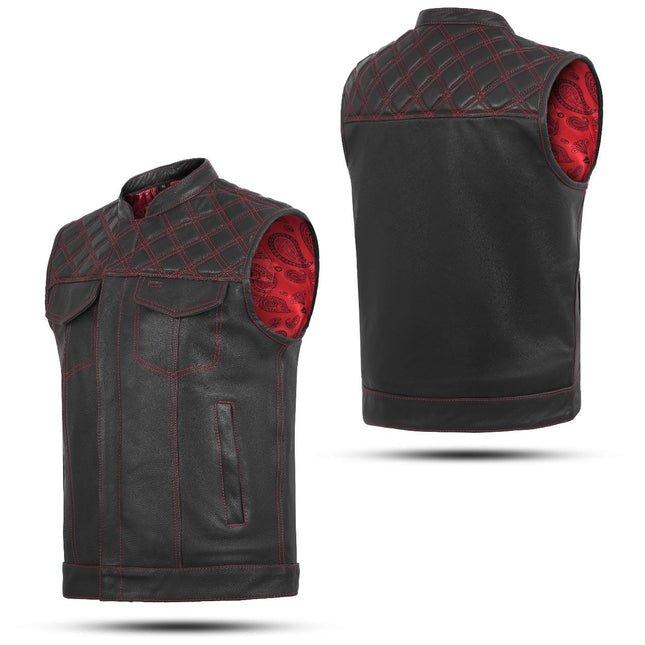


$129.95 - $159.95
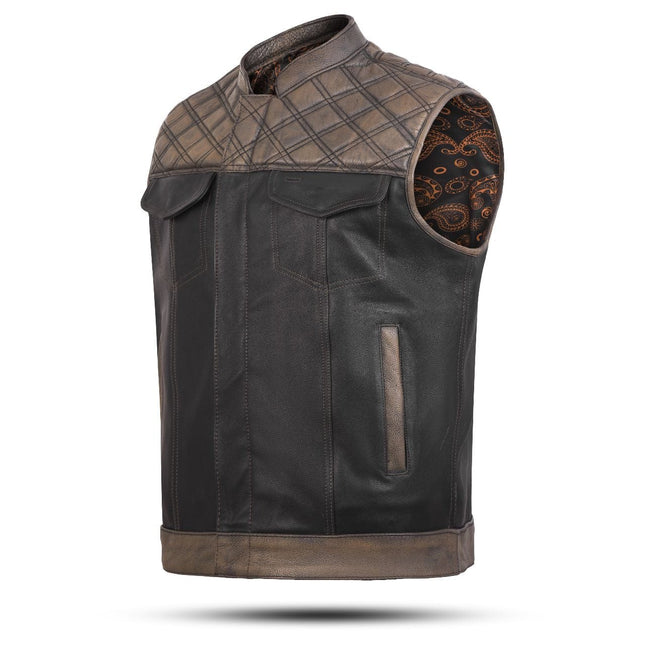
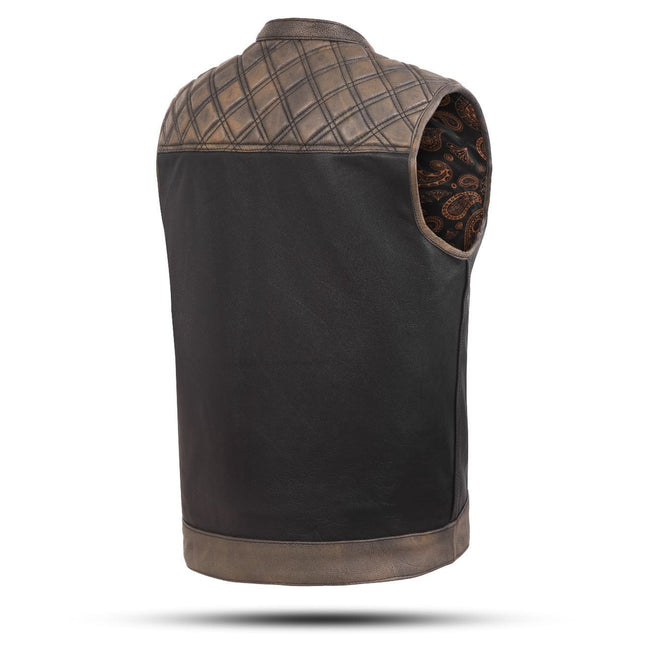
$139.95 - $169.95


$139.95 - $169.95