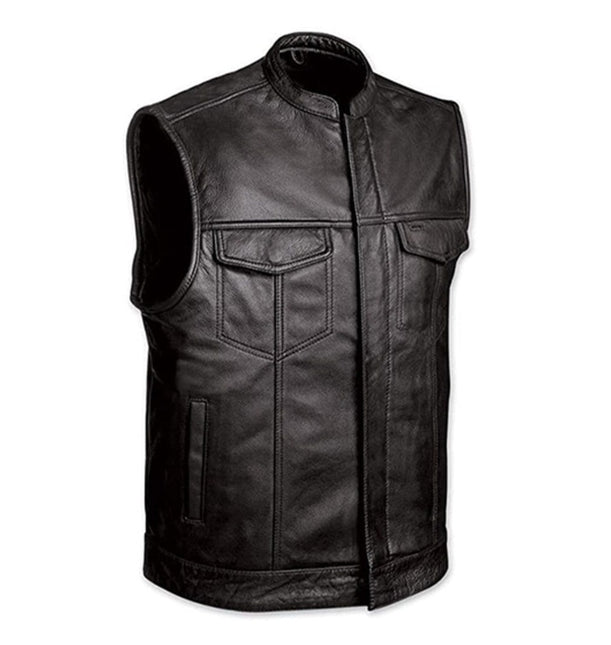
How to Clean Rhinestone or Decorative Leather Vests?
, by Syed Khawar Bukhari , 8 min reading time
, by Syed Khawar Bukhari , 8 min reading time
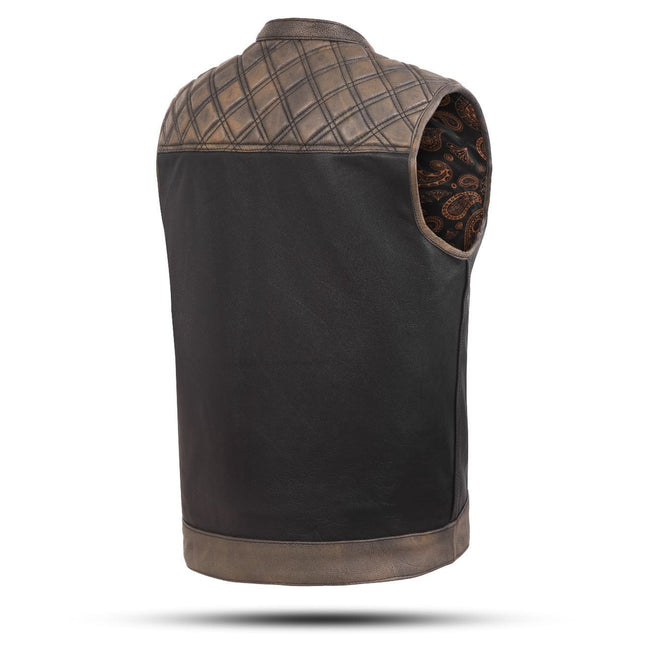
Maintaining rhinestone or decorative leather vests requires careful techniques that preserve both the shine of the embellishments and the integrity of the leather. These garments combine multiple materials—genuine or faux leather, adhesives, metal settings, crystals, studs, embroidery, and sometimes delicate trims—making standard cleaning methods unsuitable. Proper care ensures the vest retains its luxurious appearance, durability, and structural quality while preventing peeling, tarnishing, or discoloration. This detailed guide provides expert-level instructions on cleaning, caring for, and preserving your decorated leather vest with precision and professionalism.
Leather vests adorned with rhinestones, sequins, metal studs, beads, or embroidery integrate both porous and non-porous materials. Leather absorbs moisture, while rhinestones and metals often react to harsh chemicals. Recognizing how each element behaves ensures safe cleaning:
Genuine leather requires conditioning and low-moisture cleaning.
Faux leather (PU/PVC) tolerates slightly more moisture but can crack with abrasion.
Suede leather must never be exposed to water-based cleaning.
Glue-set rhinestones may loosen if exposed to heat, excessive moisture, or strong detergents.
Prong-set or claw-set stones are more secure but can tarnish if cleaned improperly.
Decorative leather vests combine luxury aesthetics with delicate textures. Incorrect cleaning can cause:
Dull rhinestones or cloudy surfaces
Loss of adhesive backing
Water stains or blotches on leather
Metal oxidation on studs or crystals
Cracking or peeling of faux leather
Permanent discoloration
Using the right products and techniques maintains both the visual brilliance and structural quality of the vest.
Before cleaning, follow these essential preparation steps:
Identify loose rhinestones, weak stitching, or damaged leather areas.
Note glue residue or areas prone to peeling.
Most premium vests include instructions indicating whether the item is:
Spot-clean only
Safe for certain leather cleaners
Not suitable for water-based cleaning
Use:
A soft microfiber cloth
A natural-bristle brush (for suede only)
A compressed-air duster to remove debris around rhinestones
This prevents scratching during deeper cleaning.
Below is a comprehensive step-by-step method to clean the vest without damaging rhinestones, metal accents, or leather surfaces.
Use a pH-balanced leather cleaner applied to a soft cloth—never directly to the vest.
Gently wipe in circular motions, avoiding any rhinestone clusters.
Immediately dry with a clean microfiber cloth.
Apply a leather conditioner to restore moisture and prevent cracking.
Prepare a mild solution: water + a few drops of gentle dish soap.
Dampen (not soak) your cloth and wipe lightly.
Avoid saturating seams or glue-set areas.
Use a suede eraser or suede brush.
Do not use water, chemicals, or liquid leather cleaners.
Rhinestones require special attention to preserve clarity and sparkle.
Use a soft cosmetic brush to remove dust between stones.
For metal-set rhinestones, a jewelry polishing cloth restores shine.
Lightly dampen a cotton swab with:
Distilled water or
A mixture of water + mild baby shampoo
Gently clean around each rhinestone without touching the leather directly.
Alcohol-based cleaners
Acetone or nail polish remover
Vinegar
Bleach
Abrasive cloths
These products cause cloudiness, peeling, or stone discoloration.
The interior lining absorbs sweat, oils, and fragrance residues.
Use a mixture of lukewarm water + mild detergent.
Dampen a cloth and gently wipe the lining.
Do not allow moisture to seep into the leather exterior.
Air-dry the vest on a padded hanger away from sunlight or heat.
Drying must be performed with a controlled environment:
Place the vest on a wide, sturdy hanger.
Allow it to air-dry at room temperature.
Do NOT:
Use a hairdryer
Place it near a heater
Expose it to direct sunlight
Heat softens glue and causes stones to fall off.
To maintain sparkle:
Gently buff rhinestones if they appear dull.
Apply a very small amount of jewelry cleaner onto a cotton swab.
Clean only the metal—not the leather.
Use an anti-tarnish polishing cloth for metal studs or prongs.
Dust the vest after each use.
Spot-clean minor stains immediately.
Hang on a padded hanger.
Use a breathable garment bag (avoid plastic).
Store in a cool, dry place to prevent humidity damage.
Avoid wearing in rain or humid environments.
Keep away from perfumes, hair sprays, and oily products.
Do not place heavy objects on top of the vest.
Some rhinestone leather vests may require expert care.
The vest has extensive rhinestone coverage.
The leather shows signs of deep staining.
Glue-set embellishments are loosening.
You lack suitable cleaning products.
Choose cleaners specializing in leather garments, not general dry cleaners.
Cleaning and maintaining rhinestone or decorative leather vests demands precision and gentle handling. By using the correct leather-safe products, avoiding moisture around glued embellishments, and applying delicate techniques for rhinestone care, you can extend the life, shine, and structure of your luxurious vest. Consistent maintenance ensures the garment continues to look exquisite for years, preserving both its elegance and value.




$129.95 - $159.95
$139.95 - $169.95


$139.95 - $169.95