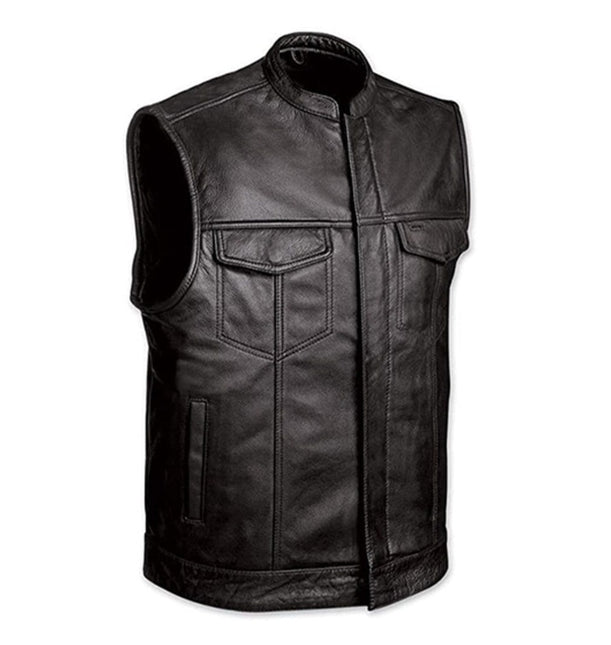
How to Restore Faded Leather: A Complete Guide
, by Syed Khawar Bukhari , 6 min reading time
, by Syed Khawar Bukhari , 6 min reading time
Restoring faded leather requires a careful, methodical approach rooted in proper cleaning, conditioning, and color revival. Leather is a natural material that responds dramatically to environmental exposure, friction, sunlight, and age. When its pigments begin to fade, the surface loses vibrancy and resilience, making restoration an essential process for preserving longevity and premium appearance. This comprehensive guide provides a detailed exploration of the restoration process, offering an authoritative resource for anyone seeking to bring their leather jackets, bags, furniture, or car seats back to life.
Leather fades for several reasons, and identifying these factors is the first step toward a successful restoration strategy. Sun exposure is the most common culprit, as ultraviolet rays break down the natural oils and dyes within the leather fibers. Over time, this results in a washed-out, dull appearance that compromises both aesthetic value and durability. Environmental dryness further depletes essential oils, leaving the surface brittle and more vulnerable to discoloration. Additionally, improper cleaning techniques, such as using harsh chemicals or excessive water, gradually strip the leather of its pigmentation.
Routine wear also contributes to fading. Friction from regular use, whether it's the constant movement of a leather jacket or the repeated pressure on a leather sofa, causes the topcoat to wear down. This erosion exposes underlying fibers and makes the surface look uneven or patchy. Understanding these causes ensures that the restoration method applied addresses the underlying problems rather than simply masking them.
Proper preparation is the foundation of an effective restoration process. Before color treatment or conditioning can take place, the leather must be thoroughly cleaned to remove accumulated dirt, body oils, and pollutants trapped within the grain. Using a pH-balanced leather cleaner is critical, as it lifts impurities without stripping the leather’s protective layers. Once applied, the cleaner opens the pores of the leather, making it more receptive to subsequent treatments.
It is equally important to allow the leather to dry naturally after cleaning. Placing it under direct heat sources can cause additional dryness or cracking, weakening the surface further. A clean microfiber cloth should be used to gently wipe away residue while preserving the natural texture of the leather. This stage also provides an opportunity to inspect the surface for cracks, rough patches, and deep discoloration that may require targeted treatment during the restoration phase.
Conditioning plays a pivotal role in leather restoration, particularly for pieces that have lost their natural oils due to prolonged exposure or neglect. High-quality leather conditioners penetrate the fibers, replenishing moisture, restoring flexibility, and strengthening the surface against future fading. When leather becomes dry, it begins to stiffen, which accelerates wear and exacerbates discoloration. Conditioning reverses this process, helping the leather regain its original feel and durability.
Applying conditioner requires precision and patience. A soft cloth should be used to distribute the product evenly in circular motions, ensuring that the entire surface absorbs the moisture. Over-conditioning can saturate the leather, leading to a greasy texture, so moderate applications are essential. After conditioning, the leather must rest undisturbed so the oils can fully integrate into the fibers. This stage prepares the material for color restoration and enhances its ability to hold pigments effectively.
When leather has faded significantly, applying a specialized leather dye is the most reliable method to revive color and achieve a uniform finish. Modern leather dyes are formulated to bond seamlessly with natural fibers, offering long-lasting pigmentation and resistance to environmental wear. Before applying dye, it's crucial to select a shade that matches the original color as closely as possible. Even slight deviations can create uneven tones, especially on larger surfaces such as jackets or sofas.
The dye should be applied in thin, controlled layers, allowing adequate drying time between each application. This layering technique builds richness and depth while preventing streaking or blotching. Using a sponge or applicator pad ensures smooth coverage and promotes consistency across the surface. After several layers, the leather begins to regain its original vibrancy, transforming faded and dull areas into fully restored, polished sections. This meticulous process provides the most significant visual impact in the entire restoration journey.
Once the color has been restored, sealing the surface is a critical final step. A leather sealant or finishing topcoat provides a protective barrier that guards against sunlight, friction, and moisture. Without sealing, the newly applied dye remains vulnerable to environmental exposure and may fade prematurely. Sealants lock in pigmentation and restore the sheen that characterizes high-quality, well-maintained leather.
Applying the sealant requires careful attention to coverage. An even, thin coat ensures that the leather retains breathability while benefiting from added protection. The finish can be chosen based on preference—matte, satin, or gloss—each offering a distinct final appearance. After sealing, the leather should be left to cure completely, ensuring long-term adherence and durability. This final touch not only elevates the restored appearance but also contributes to extended lifespan and resistance to everyday wear.
Restoration is only the beginning. To maintain revived leather in optimal condition, consistent long-term care is essential. Regular conditioning helps the leather retain its natural oils and resistance to drying. Avoiding prolonged sun exposure is equally important; even treated leather can fade again if subjected to excessive ultraviolet light. Using protective sprays specifically designed for leather adds an extra layer of defense, keeping the material resilient against environmental stress.
Storage conditions play a significant role as well. Leather goods should be stored in areas with moderate temperatures and humidity levels. For jackets and accessories, breathable garment bags prevent moisture accumulation without suffocating the material. For furniture, periodic dusting and gentle cleaning prevent buildup that can deteriorate the finish over time. With consistent care, the restored leather maintains its richness, texture, and durability, preserving the results achieved through the restoration process.
Restoring faded leather is both an art and a science, requiring a structured approach that begins with thorough preparation and concludes with protective sealing. By cleansing, conditioning, recoloring, and safeguarding the material, leather can regain its vibrant appearance and structural integrity. With the comprehensive techniques outlined in this guide, leather enthusiasts and owners can confidently rejuvenate their valued pieces and ensure their longevity for years to come.




$129.95 - $159.95
$139.95 - $169.95


$139.95 - $169.95